Planting
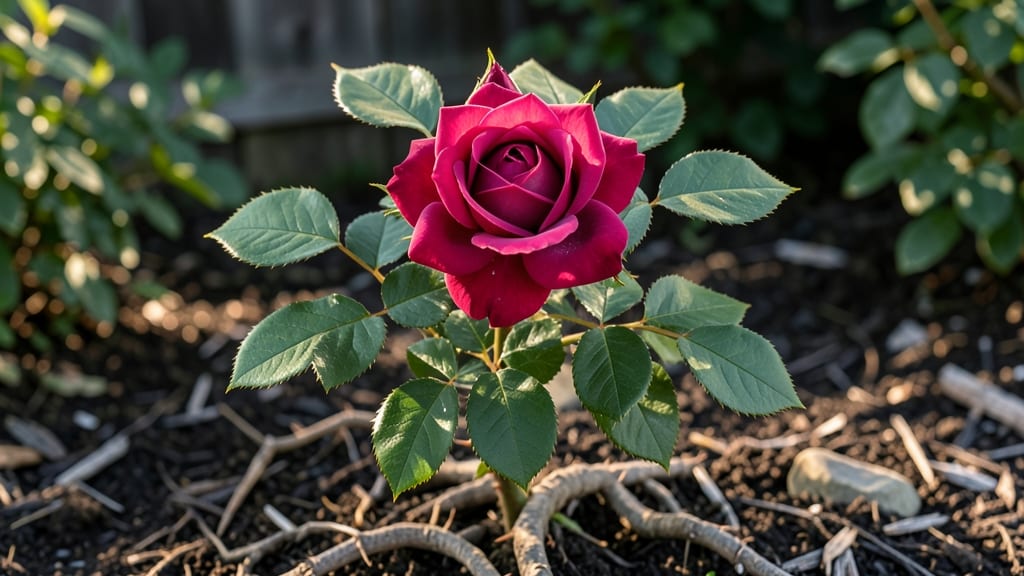
Planting rose flowers in the Pacific Northwest means choosing varieties that thrive in our damp, cool climate—like the David Austin English roses or Knock Out roses that return every year with stunning blooms. 🌹 I learned the hard way that regular garden-center roses often struggle here, but cold-hardy varieties not only survive but flourish, rewarding you with fragrant blooms from spring to fall.
The secret starts with the right timing: plant bare-root roses in late fall or early spring when the soil is workable but not frozen, while potted roses can go in anytime the ground isn’t soggy.
You’ll need well-draining soil (amend with compost if yours is heavy clay), a sunny spot with at least 6 hours of light daily, and a spot sheltered from harsh winds that can tear delicate canes.
Once planted, your roses will need consistent watering—deep soaks once a week for the first month—to establish strong roots before they can handle our region’s frequent rain.
Mulch around the base to protect roots in winter and keep weeds at bay, and you’ll see new growth by late spring that’ll have your neighbors asking for cuttings.
Whether you’re working with bare roots or potted plants, the key is patience—these roses take a season to really settle in, but once they do, they’ll give you decades of blooms with minimal fuss.
The best part? You’ll finally grow roses that don’t wilt in our damp summers or freeze back in winter.
📚 In This Guide
- What you need
- Instructions
- Tips and common mistakes
- Wrapping up and next steps
What you need
- ● Cold-hardy rose varieties: Choose from Knock Out® Roses, David Austin English Roses, or Explosion® Shrub Roses (Zones 5-9). Quantity: 3-5 plants (depending on garden size).
- ● Well-draining soil: Amend native soil with 2-3 inches of compost or 1 part peat moss + 1 part perlite to improve aeration.
- ● Organic fertilizer: 5-10-5 or 10-10-10 NPK ratio (slow-release, like Osmocote). Use: 2 tbsp per planting hole.
- ● Mulch: 3-4 inches of wood chips or straw to insulate roots in winter.
- ● Rose-specific pruners: Bypass pruners (sharp, clean, and sterilized) for clean cuts.
- ● Garden trowel or spade (for digging holes 12-18 inches wide/deep).
- ● Garden hose or watering can (deep watering 1-2 times weekly in dry spells).
- ○ Rose stakes or cages (optional for climbing varieties like Dr. Huey).
- ● Epsom salt (magnesium sulfate) (1 tbsp per foot of plant height monthly for green foliage).
- ● Fungicide (preventative) (e.g., Neem oil or copper fungicide for PNW’s damp climate).
- ● Sunlight: Full sun (6+ hours daily)—PNW’s partial shade won’t suffice!
- ● Planting timing: Bare-root roses: Late fall to early spring (November–March).
- ● Container-grown roses: Spring after last frost (April–May).
- ● Soil pH: Test and adjust to 6.0–6.5 (use lime to raise or sulfur to lower).
How to plant cold-hardy roses in the Pacific Northwest
Here's the straightforward method I've used for years to get roses thriving in PNW's damp, cool climate.
🌱 Step 1: Choose the Right Rose Varieties
For the Pacific Northwest's USDA Zones 7-9, select cold-hardy roses like 'Knock Out', 'David Austin English Roses', or 'Dr. Huey'—these handle our wet winters and cool summers better than most. Avoid tropical varieties that need summer heat. I always check the American Rose Society's zone recommendations before buying.
Look for bare-root roses in late winter or early spring (February-March) for best results. Container-grown roses can be planted year-round, but they cost more. If buying potted roses, choose ones with plump buds—they've had time to establish roots before transplanting.
🪴 Step 2: Prepare the Planting Site
Roses need full sun (at least 6 hours daily) and well-draining soil. In the PNW, this often means amending heavy clay soil. I dig a hole twice as wide as the root ball but only as deep—planting too deep suffocates the graft union. Mix the excavated soil with 3-4 inches of compost and a handful of bone meal for phosphorus.
For 4 roses, you'll need a 6-foot by 6-foot area to allow proper air circulation. Space plants 3-4 feet apart in rows. If planting in containers, use 5-gallon pots with drainage holes and fill with a mix of 50% potting soil and 50% perlite. Avoid garden soil—it compacts and drowns roots.
☀️ Step 3: Plant Roses at the Right Depth
Soak bare-root roses in lukewarm water for 1-2 hours before planting to rehydrate the roots. Remove any mushy or dark roots—these are rotten and will fail. Position the rose so the graft union (the swollen bump on the stem) sits 2 inches below soil level. This protects it from winter heaving in our freeze-thaw cycles.
Spread the roots outward in the hole and backfill with soil, tamping gently to remove air pockets. Water deeply until the soil settles 1-2 inches. Mulch with 3 inches of wood chips, keeping mulch 6 inches away from the stem to prevent rot. Water again to settle the mulch.
💧 Step 4: Water and Fertilize for Establishment
Water newly planted roses deeply 2-3 times per week for the first month, then taper to once a week once established. In the PNW, our damp climate means roses often suffer from root rot if overwatered—always check that the top 2 inches of soil feel dry before watering again.
Apply a balanced rose fertilizer (like 10-10-10) 4-6 weeks after planting, then every 6-8 weeks through summer. In fall, switch to a low-nitrogen, high-phosphorus fertilizer to encourage root growth before winter. I always fertilize after a deep watering to prevent burn.
✂️ Step 5: Prune and Protect for Winter
Prune roses in early spring (March) before new growth starts. Cut back one-third of the plant, removing dead, crossing, or weak branches. Make cuts at a 45-degree angle just above an outward-facing bud. In the PNW, our wet winters mean roses need protection—wrap canes with burlap or use rose cones to shield them from rain.
Mulch heavily (4-6 inches) around the base in late fall, but avoid piling mulch against the stem. This keeps roots insulated while preventing rot. I also spray roses with a fungicide in late fall to prevent black spot, a common PNW issue. With proper care, your roses will bloom reliably for years.
Tips & tricks for planting cold-hardy roses
Here's what I've learned from years of growing roses in our damp PNW climate—small details that make all the difference.
Variety Selection: When choosing cold-hardy roses, prioritize those specifically bred for USDA Zones 7-9. 'Knock Out' roses are my go-to—they're disease-resistant and bloom continuously. For fragrance lovers, 'David Austin English Roses' are worth the extra cost. I always verify with the American Rose Society's zone map before purchasing, especially when buying online.
Soil Preparation: The 6-foot by 6-foot spacing for 4 roses isn't just about looks—it's crucial for air circulation that prevents fungal diseases. In Step 2, when amending your soil, I recommend adding a handful of granulated sulfur if your soil tests acidic (common in PNW). This creates the ideal pH range of 6.0-6.5 for roses. Don't skip the perlite in container mixes—it prevents that dreaded root rot we deal with here.
Planting Depth: That 2-inch depth for the graft union in Step 3 is non-negotiable in our freeze-thaw cycles. I've seen roses fail when planted too deep—look for the swollen bump (graft union) and make sure it's clearly visible above soil level after planting. Pro tip: Use a small stake to mark the exact planting depth before you start backfilling soil.
Watering Wisdom: The 2-3 times per week watering in Step 4 might seem like a lot, but remember—our PNW climate is damp, not wet. The key is deep watering that reaches 12 inches down. I use a soil probe to check moisture levels—if it comes out dry, that's your cue to water again. This prevents shallow root systems that struggle in our rainy winters.
Pro Tips for Plant Rose Flower
- Here's what I've learned from years of growing roses in our damp PNW climate—small details that make all the difference.
- Variety Selection: When choosing cold-hardy roses, prioritize those specifically bred for USDA Zones 7-9.
- Soil Preparation: The 6-foot by 6-foot spacing for 4 roses isn't just about looks—it's crucial for air circulation that prevents fungal diseases.
Frequently asked questions
Got questions about growing roses in the Pacific Northwest? You’re not alone! Here are some of the most common concerns—and their answers—to help you cultivate stunning, cold-hardy roses with confidence.
What’s the best time to plant roses in the PNW?
The ideal window is early spring (March–April) or early fall (September–October). Planting in spring gives roots time to establish before summer heat, while fall allows them to settle in before winter dormancy. Avoid planting in extreme heat or freezing temps—both stress young plants.
Can roses survive PNW winters without extra protection?
Many cold-hardy varieties (like Knock Out® or David Austin English Roses) tolerate temps down to -15°F with minimal care. Still, mulch heavily (4–6 inches of wood chips or straw) and wrap canes in burlap if your winters dip below -10°F. Prune back dead foliage in late winter to prevent rot.
How often should I water newly planted roses?
Water deeply 2–3 times per week for the first month, keeping soil consistently moist (not soggy). After establishment, aim for 1–2 inches of water weekly, prioritizing early morning watering to reduce fungal risks. Drought-tolerant varieties like Dr. Huey need less, but PNW’s rainy winters often mean less watering in fall/winter.
What pests or diseases should I watch for in PNW rose gardens?
Common culprits include aphids, Japanese beetles, and black spot fungus. Use neem oil or insecticidal soap for pests, and space plants for airflow to prevent fungal issues. Preventative tip: Apply a fungicide in spring if your area has humid summers. Prune out infected leaves immediately to stop spread.
Are there PNW-friendly rose alternatives if my soil is too acidic?
Yes! Roses prefer slightly acidic to neutral soil (pH 6.0–6.5). If your soil tests lower, amend with lime or wood ash. For low-maintenance options, try spirea, hydrangeas, or rhododendrons—they thrive in PNW’s acidic soil and add blooms without fuss!
Wrapping up and next steps
Growing cold-hardy rose flowers in the Pacific Northwest is a rewarding journey—whether you're a seasoned gardener or just starting out. These resilient perennials thrive in your region’s climate, offering stunning blooms and minimal fuss once established.
With the right location, soil prep, and care, you’ll enjoy their beauty for years to come! 🌹
Now that you’re armed with expert tips, take the next step: pick your favorite variety and start planting! Whether it’s a fragrant David Austin rose or a hardy Knock Out®, your garden will thank you. Happy gardening!