
Tools
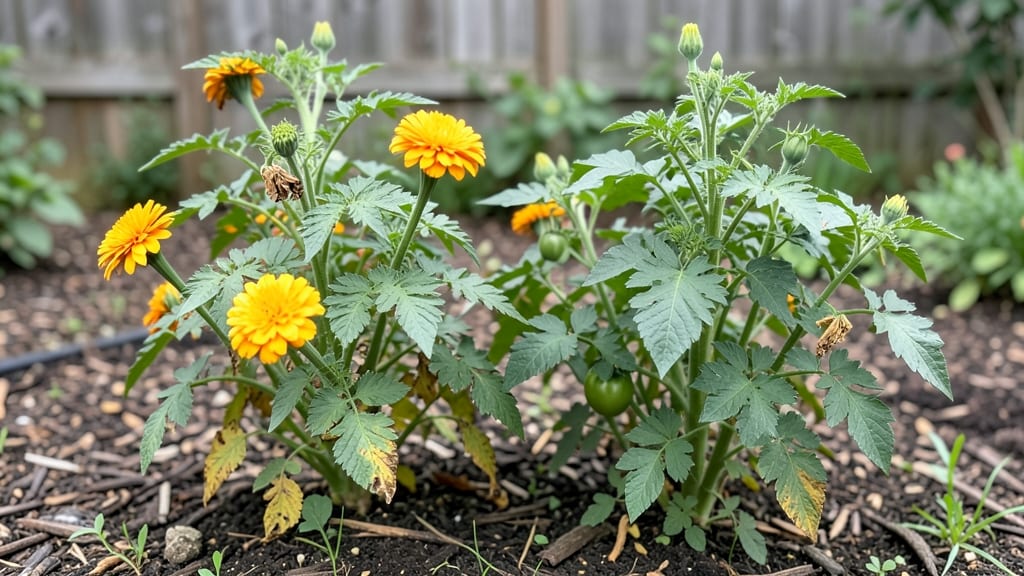
A mixed flower and vegetable garden turns your yard into a thriving ecosystem where beauty and bounty grow side by side. 🌸 I remember my first attempt—planting marigolds between tomatoes to keep pests away—how the bright blooms made the harvest feel like a celebration.
The key isn’t just tossing flowers into veggie beds; it’s designing for harmony where every plant plays a role.
Start with a layout that blends height and texture: tall sunflowers behind bush beans, delicate alyssum under cucumbers, and fragrant lavender along the edges. This isn’t just pretty—it’s practical. Flowers attract pollinators that boost vegetable yields, while herbs like basil deter pests from your tomatoes.
Even in small spaces, you can weave these pairings into raised beds or containers.
By summer, your garden will burst with color and flavor—zucchini vines tangled with nasturtiums, carrots nestled among chives, and strawberries sharing space with clover. The best part? As seasons shift, the display changes too: spring bulbs give way to summer blooms, which fade into autumn’s ornamental kale and winter pansies.
This approach works for any climate or skill level—whether you’re a city balcony gardener or managing a half-acre plot. The secret is balancing aesthetics with function, so your garden feeds both your table and your soul. Ready to design yours?
📚 In This Guide
- What you need
- Instructions
- Tips and common mistakes
- Wrapping up and next steps
What you need
- ● Garden plot or containers: At least 100–200 sq. ft. of space (adjust based on your garden size)
- ● Raised beds (4’ x 8’ x 12” deep, 2–4 units for variety)
- ● Large pots or grow bags (12”–18” diameter, 5–10 units for compact spaces)
- ● Soil: 2–3 cubic yards of high-quality garden soil or compost blend (mix in 20% compost for fertility)
- ● Organic matter: 1–2 bags of well-rotted manure or composted leaves
- ● Seeds & Plants: 50–100 seeds of pollinator-friendly flowers (e.g., marigolds, sunflowers, borage)
- ● 20–30 plants of vegetables (e.g., tomatoes, lettuce, herbs, beans)
- ○ 5–10 bulbs (optional: alliums, tulips, or daffodils for early blooms)
- ● Basic Tools: Garden fork or tiller (for soil prep)
- ● Hand trowel (2–3 units for precision planting)
- ● Pruners (sharp, 1–2 pairs)
- ● Watering can or hose with adjustable nozzle (1–2 units)
- ● Garden gloves (1–2 pairs for comfort)
- ● Mulch: 1–2 bags of straw, wood chips, or shredded leaves (to retain moisture)
- ● Compost bin: For long-term soil enrichment
- ● Drip irrigation system: Saves time and water (especially for larger plots)
- ● Row covers or netting: Protects veggies from pests (e.g., 1–2 rolls)
- ● Trellises or stakes: Supports climbing plants (e.g., 5–10 units)
- ● Soil tester kit: Ensures pH balance (aim for 6.0–7.0 for most veggies)
- ● Beneficial insects: Ladybugs or lacewings to deter pests naturally
Step-by-Step instructions for designing a mixed flower and vegetable garden
Here's how I plan a thriving garden that feeds both your table and local pollinators—without sacrificing beauty.
🌱 Step 1: Divide Space by Plant Families
Group vegetables with similar needs together while weaving in flowers that attract beneficial insects. I start by mapping out 4-foot-wide beds separated by 12-inch paths for easy access. Place nightshades (tomatoes, peppers, eggplants) together—they share pest problems and soil preferences. Keep brassicas (broccoli, cabbage) separate since they attract different pests.
Interplant flowers like basil between tomatoes (it deters whiteflies) or marigolds around cucumbers (they repel nematodes). The key is spacing: vegetables need 12-24 inches apart, while flowers can often grow closer (6-12 inches). Use a graph paper sketch to visualize before digging—trust me, it saves headaches later.
☀️ Step 2: Layer Sun and Shade Lovers
Sun-loving veggies like tomatoes, peppers, and beans get the south or west exposure, while shade-tolerant greens (spinach, lettuce) go on the north side. I tuck dwarf sunflowers or cosmos near the south edge—they provide afternoon shade for heat-sensitive greens while blooming all season.
Watch for microclimates: A wall or fence creates a sunny pocket where you can grow extra heat-lovers like okra or sweet potatoes. If your garden has partial shade, focus on bush beans, radishes, and flowers like impatiens that thrive without full sun.
🌿 Step 3: Plant in Successive Waves
Start with cool-season crops (spinach, peas, carrots) in early spring, then add warm-season flowers (zinnias, sunflowers) as soon as the soil warms to 60°F. I plant fast-growing radishes first—they mark where slower veggies like broccoli will go later. By mid-summer, replace bolting greens with heat-tolerant flowers (like lantana) to keep pollinators fed.
Use succession planting for veggies: After harvesting early peas, sow bush beans in the same spot. The beans' deep roots aerate the soil, and their nitrogen fixes prepare the bed for fall greens. This keeps your garden productive without empty spaces.
💧 Step 4: Install Drip Irrigation and Mulch
Run drip lines along each bed, spacing emitters 12-18 inches apart to water at the soil level (not the leaves). Set a timer for early morning watering—this prevents fungal diseases that thrive in damp foliage. I bury the lines 1 inch deep to protect them from sunlight and accidental damage.
Cover beds with 2-3 inches of mulch (straw or shredded leaves) to retain moisture and suppress weeds. The mulch also creates a cool microclimate for heat-sensitive crops like lettuce. Replenish mulch every 4-6 weeks—it breaks down faster in hot, dry weather.
✂️ Step 5: Maintain with Pollinator-Friendly Care
Deadhead spent flowers weekly to encourage continuous blooming—this keeps bees and butterflies visiting your veggies for pollination. I also leave some "messy" areas (like a corner with dried seed heads) for overwintering insects. Avoid pesticides entirely; instead, handpick pests or use neem oil sprays in the evening when pollinators are inactive.
Fertilize lightly: Too much nitrogen makes veggies grow fast but weak, while too little stresses plants. I use a balanced 10-10-10 fertilizer every 4-6 weeks, but focus on compost top-dressing in early spring. This feeds soil microbes, which in turn keep your plants healthy without harsh chemicals.
Tips & tricks for perfect mixed flower and vegetable gardens
Creating a thriving garden that blends beauty and bounty takes a few strategic moves—here's how I've learned to maximize every square foot without the guesswork.
Plant Family Pairing: In Step 1, when you're grouping nightshades together, add nasturtiums between tomato plants—they deter aphids while adding vibrant blooms. For brassicas, interplant calendula to repel cabbage moths. The key is spacing: give vegetables their full 12-24 inches while tucking flowers closer (6-12 inches) in the gaps. This creates a living pest barrier without sacrificing harvest space.
Microclimate Mastery: Pay attention to those sunny pockets mentioned in Step 2! If you have a south-facing wall, plant okra or sweet potatoes there—they'll thrive in the extra heat. For shadier spots, choose bush beans or radishes that tolerate less sun. I've seen lettuce bolt in full sun but thrive in partial shade with proper mulching. A simple stroll through your garden at different times of day reveals these hidden opportunities.
Soil Warmth Timing: The 60°F soil temperature mentioned in Step 3 is your cue to plant warm-season flowers like zinnias. I use a soil thermometer to check—it's more reliable than guessing by date. Pro tip: If your soil warms slower, start with cool-season flowers like pansies in containers near the garden. They'll attract early pollinators while you wait for the ground to warm.
Drip Irrigation Deep Dive: When installing your 12-18 inch spaced emitters in Step 4, bury them 1 inch deep to prevent sunlight damage. I also add a 1-inch layer of sand around the lines to improve water flow. For new gardeners, start with a simple timer set for 15 minutes every morning—you can adjust as you learn your plants' needs. The goal is consistent moisture at the roots, not wet leaves.
Pro Tips for Mixed Flower And Vegetable Garden
- Creating a thriving garden that blends beauty and bounty takes a few strategic moves—here's how I've learned to maximize every square foot without the guesswork.
- Plant Family Pairing: In Step 1, when you're grouping nightshades together, add nasturtiums between tomato plants—they deter aphids while adding vibrant blooms.
- Microclimate Mastery: Pay attention to those sunny pockets mentioned in Step 2!
Frequently asked questions
Got questions about blending flowers and veggies in your garden? We’ve got answers! Here’s what you need to know to create a thriving, pollinator-friendly space that’s as productive as it is beautiful.
Can I grow flowers and vegetables together without them competing?
The key is strategic placement. Pair fast-growing veggies (like radishes or lettuce) with slow-growing flowers (e.g., marigolds or alyssum) to avoid shading issues. Tall flowers like sunflowers can also provide shade for heat-sensitive crops. Just avoid planting aggressive spreaders (e.g., mint or comfrey) near delicate veggies.
When is the best time to plant a mixed garden?
Start with cool-season crops (spinach, kale, pansies) in early spring or fall, then transition to warm-season plants (tomatoes, basil, zinnias) after the last frost. Succession planting—like swapping out spent spring flowers for summer blooms—keeps your garden lively year-round. Pro tip: Direct-sow seeds for flowers to align blooming times with pollinator needs!
Which flowers attract the most pollinators to my vegetable garden?
Prioritize native, nectar-rich flowers like coneflowers, bee balm, and borage. For butterflies, try milkweed (essential for monarchs!) and parsley. Even herbs like dill and cilantro double as pollinator magnets. Plant in clusters near veggies—pollinators prefer "cafeteria-style" stops. Avoid pesticides to keep them buzzing!
What if my vegetables aren’t producing well near flowers?
Check for these common issues:
- Shading: Trim overgrown flowers or relocate them to edges.
- Nutrient competition: Add compost or mulch to boost soil fertility.
- Pests: Some flowers (like nasturtiums) repel aphids, but others may attract them. Monitor and adjust.
- Root crowding: Thin out dense plants (e.g., carrots) to give roots space.
If problems persist, rotate crops or flowers next season!
Can I use herbs instead of flowers in a mixed garden?
Yes! Herbs like basil, thyme, oregano, and dill are fantastic alternatives—they’re pollinator-friendly, pest-repellent, and edible. Plus, their fragrant foliage adds texture. Just avoid mint (it’s invasive!) and opt for compact varieties like ‘Spicy Globe’ basil to keep things tidy.
Wrapping up and next steps
A mixed flower and vegetable garden isn’t just a dream—it’s a thriving, pollinator-friendly haven that brings beauty and bounty to your yard year-round! 🌸 By blending edible plants with native flowers, you create a space that supports wildlife, boosts yields, and keeps your garden vibrant in every season.
Whether you’re a seasoned gardener or just starting out, this approach makes sustainable growing simple and rewarding.
Ready to dive in? Start small—even a single raised bed or corner of your yard can make a difference. Sketch your design, gather your tools, and plant with confidence! Your garden (and the bees!) will thank you. 🌱