Flowers
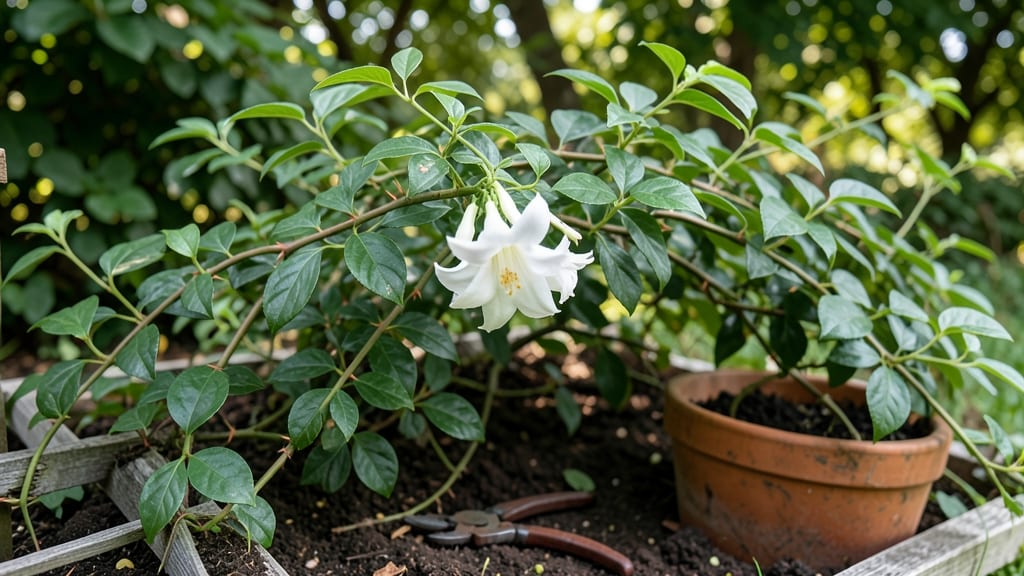
Nothing beats the scent of a jasmine flower bush climbing your porch in July, its creamy-white blooms perfuming the evening air—especially when it thrives through Pacific Northwest winters.
I’ve grown mine for five years now, and the secret isn’t just frost tolerance: it’s the right spot, soil, and a little patience. Most gardeners assume these bushes need coddling, but they’re actually tougher than they look.
The key starts with well-draining soil—jasmine hates soggy roots—and a location where it gets morning sun and afternoon shade (critical in PNW’s damp summers). Plant in early spring or fall, and mulch heavily to protect roots from winter’s chill.
Water deeply once a week after establishment, but don’t drown it—jasmine’s roots need air almost as much as water. A balanced fertilizer in spring jumpstarts blooms, but too much nitrogen means fewer flowers and more leaves.
By summer, you’ll be rewarded with fragrant clusters that attract hummingbirds and keep neighbors peeking over fences. Prune lightly after blooming to shape the bush, and watch for aphids—just spray with soapy water if they appear.
The best part? These bushes live for decades with minimal fuss, turning your yard into a year-round perfume factory. Let’s get yours planted right.
Works equally well as a standalone shrub, a trellis climber, or even in large containers—just give it room to stretch. PNW’s mild winters actually help jasmine set buds early, so timing is your only real challenge. Ready to grow one that outlasts every other plant in your garden?
📚 In This Guide
- What you need
- Instructions
- Tips and common mistakes
- Wrapping up and next steps
What you need
- ● Jasmine plant: 1–3 Jasminum nudiflorum (Winter Jasmine) or Jasminum officinale (Common Jasmine) bushes (choose based on your zone and sunlight needs).
- ● Container option: 1–2 large pots (12–18 inches deep) with drainage holes (if growing in containers).
- ● Soil: 1–2 bags of well-draining potting mix (or garden soil amended with compost).
- ○ Optional: Perlite or sand (1 part per 4 parts soil) for extra drainage.
- ● Fertilizer: 1 bag of balanced, slow-release fertilizer (10-10-10 or 20-20-20) (for established plants).
- ○ 1 bottle of fish emulsion or seaweed extract (optional, for organic boost).
- ● Basic tools: 1 hand trowel or garden spade.
- ● 1 pair of pruning shears (sterilized with rubbing alcohol).
- ● 1 watering can or hose with a gentle spray nozzle.
- ○ 1 pair of gloves (optional, for handling thorns).
- ● Site prep (for in-ground planting): Space: 3–6 feet apart (depending on variety).
- ● Sunlight: Full sun to partial shade (6+ hours of sun for best blooms).
- ○ pH test kit (optional, ideal pH: 6.0–7.0).
- ○ Optional extras: Mulch (2–3 inches of shredded bark or pine needles).
- ● Trellis or arbor (for climbing varieties like Jasminum officinale).
- ● Frost cloth (for young plants in Zone 7 or colder).
Step-by-Step instructions for planting a jasmine flower bush
Here’s how to establish a thriving jasmine bush in your Pacific Northwest garden.
Choose the Right Location and Prepare the Soil
Jasmine thrives in partial shade to full sun—the Pacific Northwest’s mild climate makes it ideal for morning sun and afternoon shade. Pick a spot with 6+ hours of light but protection from harsh afternoon rays, which can scorch leaves. Avoid low-lying areas where cold air settles, as jasmine is frost-tolerant but prefers well-draining soil.
Loosen the soil to a depth of 12-18 inches using a garden fork or tiller. Jasmine prefers slightly acidic to neutral soil (pH 6.0-7.0). If your soil is heavy clay, mix in 3-4 inches of compost to improve drainage and fertility. Work the compost into the top 12 inches of soil—this ensures roots have room to spread without struggling.
Dig the Hole and Plant the Bush
Dig a hole twice as wide as the root ball but no deeper. This encourages roots to spread horizontally rather than settling in a deep, confined space. Gently remove the jasmine from its container and loosen any circling roots with your fingers—this prevents root girdling, which can strangle the plant over time.
Place the bush in the hole so the top of the root ball sits level with the surrounding soil. If planted too deep, stems may rot; if too shallow, roots will dry out. Backfill with native soil, pressing lightly to eliminate air pockets. Water deeply to settle the soil around the roots—1-2 gallons should be enough for a small bush. Mulch the base with 2-3 inches of organic mulch (like shredded bark) to retain moisture and regulate soil temperature.
Water and Provide Initial Care
Water the jasmine deeply every 2-3 days for the first 4 weeks, ensuring the soil stays evenly moist but not soggy. The Pacific Northwest’s damp climate means you won’t need to water as frequently once established, but young plants are vulnerable to drought stress. You’ll know it’s time to water when the top 1-2 inches of soil feel dry to the touch.
Fertilize lightly 4-6 weeks after planting with a balanced, slow-release fertilizer (10-10-10). Avoid high-nitrogen fertilizers, which promote leafy growth at the expense of flowers. Jasmine blooms best when slightly stressed—over-fertilizing can lead to lush foliage but fewer fragrant flowers. Prune any dead or damaged branches immediately, but wait until spring to shape the bush for the first time.
Prune for Shape and Encourage Blooms
Prune jasmine in early spring, just as new growth begins, to shape the bush and remove any winter-damaged wood. Cut back overgrown branches by one-third to encourage bushier growth. Always prune just above a leaf node or bud—this ensures the plant regrows quickly. Avoid heavy pruning in fall, as jasmine sets flower buds in late summer, and cutting back then reduces next year’s blooms.
Watch for new growth in spring as a sign the plant is establishing. Jasmine blooms on new wood, so regular pruning keeps the bush productive. If your jasmine isn’t flowering as expected, it may need more sun—gradually move it to a sunnier spot over 2-3 weeks to avoid shocking the plant. The intoxicating fragrance is worth the patience!
Tips & tricks for perfect jasmine flower bush planting
Here's what I've learned after helping Pacific Northwest gardeners grow fragrant, thriving jasmine bushes.
Location is Everything: In Step 1, when choosing your spot, pay special attention to that 6+ hours of light requirement. I've seen jasmine struggle when planted in areas with strong afternoon sun—it can scorch the leaves. If your yard only gets direct sun in the morning, that's perfect. For afternoon shade, use nearby trees or structures to filter the light without blocking airflow completely.
Soil Prep Secret: The 12-18 inch soil loosening in Step 1 is crucial, but here's what nobody tells you—focus on breaking up any compacted layers deeper than 6 inches. I use a garden fork to gently probe the soil and create channels for roots to grow downward. For clay soil, mix that 3-4 inches of compost into the top 12 inches, but don't stop there—work some compost into those deeper channels too. The roots will thank you with better drainage and nutrient access.
Planting Depth Matters: In Step 2, when placing your jasmine, remember this visual cue: the top of the root ball should be level with the surrounding soil, not buried or exposed. I've made the mistake of planting too deep—it caused my jasmine to develop rot at the stem base. For the 1-2 gallons of water, pour it slowly around the edges of the hole rather than all at once. This helps settle the soil gently around the roots without displacing them.
Watering Wisdom: That 2-3 day watering schedule in Step 3 is a guideline, not a rule. In our damp Pacific Northwest climate, you might only need to water every 4-5 days after the initial 4 weeks. The key is checking those top 1-2 inches of soil—if they're dry, water. If they're still moist, wait. Overwatering is just as damaging as underwatering when it comes to jasmine roots.
Pro Tips for Jasmine Flower Bush
- Here's what I've learned after helping Pacific Northwest gardeners grow fragrant, thriving jasmine bushes.
- Location is Everything: In Step 1, when choosing your spot, pay special attention to that 6+ hours of light requireme...
- Soil Prep Secret: The 12-18 inch soil loosening in Step 1 is crucial, but here's what nobody tells you—focus on break...
Frequently asked questions
Got questions about growing and caring for your jasmine flower bush? You’re not alone! Here are some of the most common queries—and their answers—to help you cultivate a thriving, fragrant garden in the Pacific Northwest.
How cold-hardy is jasmine, and will it survive PNW winters?
Most Jasminum varieties (like Jasminum nudiflorum) are frost-tolerant and can handle USDA Zones 6–9. In the PNW, they thrive in winters with light frost, but young plants may need mulch or winter protection (like burlap wraps). Evergreen types like Jasminum officinale are more delicate—plant them in sheltered spots or containers for flexibility.
When is the best time to plant a jasmine bush in the Pacific Northwest?
Spring (after the last frost, April–May) is ideal for planting jasmine bushes, giving roots time to establish before summer heat. Fall planting (September–October) also works if you’re in a milder PNW microclimate (like coastal areas). Avoid planting in winter or scorching summer—roots need consistent moisture to take hold!
How often should I water a jasmine bush, especially during PNW’s rainy season?
Jasmine bushes are drought-tolerant once established, but young plants need 1–1.5 inches of water weekly (more in hot, dry spells). In the PNW’s rainy season, water deeply but less frequently to encourage deep root growth. Mulch around the base (2–3 inches) to retain moisture and protect roots from temperature swings.
Are jasmine bushes prone to pests or diseases in the Pacific Northwest?
Jasmine is generally low-maintenance, but watch for aphids, spider mites, or scale insects (common in PNW gardens). Treat infestations early with neem oil or insecticidal soap. Powdery mildew can occur in humid PNW summers—improve airflow by pruning and avoid overhead watering. Most varieties resist fungal diseases if planted in well-draining soil.
Can I grow jasmine in containers, or does it need to be planted in the ground?
Yes! Many jasmine varieties (like Jasminum polyanthum) thrive in containers, making them perfect for patios, balconies, or small PNW gardens. Use a 15–20 gallon pot with drainage holes and well-draining potting mix. Move containers to sunny spots in summer and sheltered areas in winter to protect from frost.
How and when should I prune my jasmine bush for best blooms?
Prune jasmine right after flowering (late spring/early summer) to shape the bush and encourage new growth. Remove dead, crossing, or overcrowded branches to improve airflow. Avoid heavy pruning in fall/winter—it can reduce next year’s blooms. For climbing varieties, train vines on a trellis or fence for support.
Wrapping up and next steps
Growing a jasmine flower bush in the Pacific Northwest is a rewarding journey—one that fills your garden with intoxicating fragrance and resilient beauty. Whether you’re drawn to its frost tolerance, low-maintenance charm, or stunning blooms, this fragrant treasure is perfect for adding elegance to your outdoor space. 🌸
Now that you’re armed with the right tools, tips, and troubleshooting advice, it’s time to roll up your sleeves and get planting! Start by selecting your spot, prepping the soil, and choosing the ideal variety for your climate. Your fragrant oasis is just a few steps away—happy gardening! 🌿