
Propagation
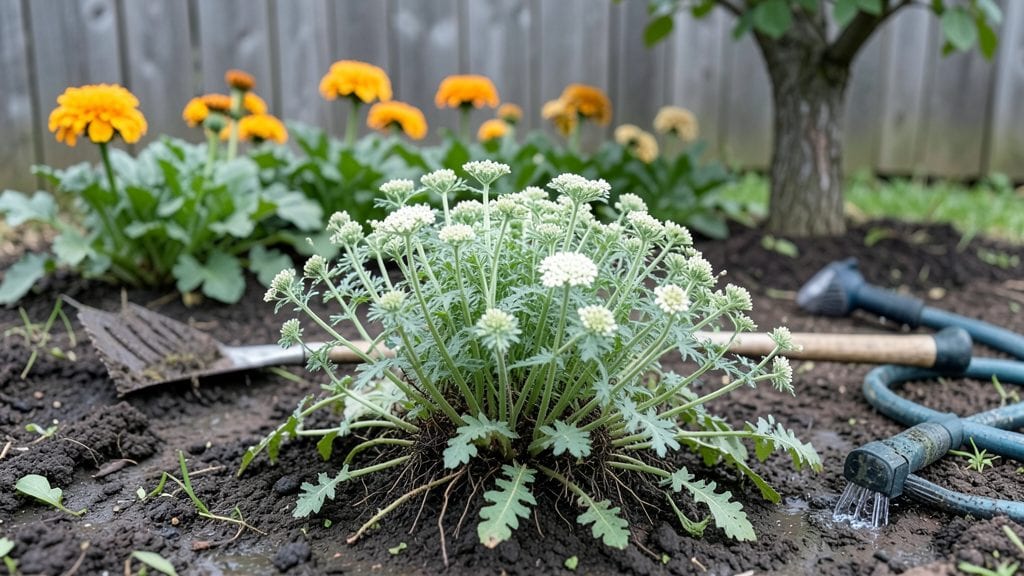
Learn how to remove moss from flower beds before that spongy green carpet steals nutrients from your plants and ruins their beauty. Removing moss from flower beds with vinegar is the fastest, safest way to restore your soil without harming roots or blooms.
I’ve used this method for years after my first garden’s moss took over faster than weeds, and it works in minutes with just a few supplies.
The secret lies in the vinegar solution’s acidity, which kills moss on contact while leaving healthy plants unharmed. You’ll need white vinegar, water, a spray bottle, and a rake—no harsh chemicals required.
The process is quick (about 30 minutes of active work) and leaves your soil ready for new growth, not the smothered mess it was before.
What you’ll end up with is a clean, crumbly soil surface where flowers can thrive instead of competing with moss. The vinegar smell fades fast, and within a week, you’ll see fresh green shoots pushing through—proof that your beds are finally back in action.
This method also prevents moss from returning if you follow up with the right soil amendments.
Perfect for shady, damp areas where moss loves to take over, but it works in sunny spots too. The key is timing—do this on a dry day when your plants aren’t stressed. Ready to reclaim your flower beds? Let’s get started.
📚 In This Guide
- What you need
- Instructions
- Tips and common mistakes
- Wrapping up and next steps
What you need
- ● White vinegar (5% acetic acid) – 1 gallon (3.8 liters). Opt for natural, undiluted vinegar for best results.
- ● Water – 1 gallon (3.8 liters). Tap or distilled water works fine.
- ● Spray bottle or garden sprayer – 16-20 oz (473-591 mL) capacity. A pump sprayer ensures even coverage.
- ● Garden gloves – 1 pair. Protects your hands from vinegar and sharp tools.
- ● Rake or stiff-bristled brush – Medium to large size. Helps loosen and remove moss after treatment.
- ● Garden hose with nozzle – Adjustable spray setting. For rinsing and wetting the area.
- ○ Baking soda (optional) – ½ cup (120 mL). Adds extra cleaning power if needed.
- ○ Lime (optional) – Powdered or granulated, 1 lb (450 g). Helps neutralize soil acidity post-treatment.
- ● Plastic sheeting or tarp – To cover nearby plants if vinegar spray might drift.
- ● Garden kneeler or stool – For comfort during longer sessions.
- ● Hose-end sprayer – For larger areas to save time mixing solutions.
Step-by-step instructions for eliminating moss from flower beds
Here's the straightforward method I use to clear moss without harming plants or soil.
Choose the Right Time and Conditions
Moss thrives in damp, shaded areas, so timing matters. Work on a dry, sunny day—this ensures the vinegar solution works most effectively and prevents spreading moisture to surrounding soil. Early morning is ideal because the sun will help dry the area faster after treatment. Avoid treating when rain is forecast within 24 hours, as moisture will dilute the solution and reduce effectiveness.
Clear away any loose debris like leaves or twigs first. These can shield moss from the treatment and trap moisture against the soil. I like to use a stiff rake to gently loosen the top layer of moss—this helps the solution penetrate deeper where moss roots are most active. If your flower bed has thick moss, you may need to repeat the process in sections rather than trying to cover everything at once.
Prepare the Natural Vinegar Solution
Mix 1 part white vinegar (5% acidity) with 1 part water in a spray bottle or pump sprayer. The vinegar's acidity breaks down moss cells, while the water dilutes it enough to avoid damaging nearby plants. For larger flower beds, use a garden sprayer filled with the same ratio—this covers more ground efficiently. Avoid using undiluted vinegar, as it can harm plant roots and beneficial soil organisms.
Test the solution on a small, hidden area first. If your flower bed contains delicate perennials or bulbs, spray a tiny patch and wait 10 minutes to check for any discoloration or wilting. I’ve found that most garden plants tolerate the diluted solution well, but succulents and acid-sensitive plants (like hydrangeas) may need extra caution. If you notice any adverse reactions, rinse the area immediately with water.
Apply the Solution Evenly
Hold the sprayer 6-12 inches above the moss and apply the solution until the moss is fully saturated but not dripping. Focus on areas where moss is thickest, as these spots often indicate poor drainage or excessive shade. Work in small sections—about 2 feet by 2 feet at a time—to ensure even coverage. Reapply if the moss looks dry after 15-20 minutes, especially in shaded or damp areas.
Let the solution sit for 2-4 hours before rinsing with water. This gives the vinegar time to weaken the moss’s cell structure, making it easier to remove. I usually schedule this step in the late afternoon so the sun can help dry the area overnight. Avoid walking on treated areas until fully dry, as wet moss can be slippery and may stain clothing or tools.
Remove the Moss and Improve Soil Conditions
After the solution has worked, use a plastic scraper or stiff brush to gently lift and remove the moss. Work in the direction of the soil’s natural slope to avoid disturbing plant roots. For stubborn patches, a dampened putty knife can help pry moss away without damaging the soil surface. Dispose of the moss in your yard waste bin—composting it can spread spores back into your garden.
Once the moss is gone, improve soil conditions to prevent regrowth. Rake the area lightly to aerate the soil, then spread a 1-inch layer of coarse sand or grit to improve drainage. For shady beds, consider adding a mulch layer (like pine straw or shredded bark) to suppress future moss growth. I also recommend trimming back overhanging branches or thinning dense foliage to allow more sunlight to reach the soil—moss thrives where light is limited.
Maintain Moss-Free Flower Beds
To keep moss from returning, monitor soil moisture and sunlight levels regularly. Water flower beds deeply but infrequently—this encourages stronger plant roots that outcompete moss. If your garden stays consistently damp, install French drains or swales to redirect excess water away from problem areas. I’ve found that even small improvements in drainage make a big difference over time.
Every 3-4 months, inspect your flower beds for early signs of moss regrowth, especially in shaded corners. A quick treatment with the vinegar solution (applied preventatively) can stop moss before it becomes established. For long-term prevention, consider planting ground covers like clover or creeping thyme—these crowd out moss naturally while adding beauty to your garden.
Tips & tricks for perfect natural moss removal
These practical tips will help you tackle moss effectively while keeping your flower beds healthy and beautiful.
Timing is Everything: The 24-hour rain-free window is crucial—check the forecast before starting. I've learned the hard way that even light rain can wash away the vinegar solution and make your effort pointless. Plan your treatment for a sunny weekend when you can commit to the full 2-4 hour wait time without interruptions. Early morning application gives the sun maximum time to help dry the area before nightfall.
Solution Application Technique: When working in the 2 feet by 2 feet sections, overlap your spray pattern by about 6 inches to ensure complete coverage. I use a spray bottle for small areas and a garden sprayer for larger beds—both work well, but the sprayer saves time. Focus on the moss's edges first, as these often indicate where new growth will start. After applying, gently press the moss with your finger to check for saturation—it should feel damp but not dripping.
Safety First: The 10-minute test spray is non-negotiable, especially if you have delicate plants. I've seen hydrangeas wilt dramatically from vinegar exposure, so always test first. For extra caution, mix a slightly weaker solution (like 1 part vinegar to 2 parts water) if you're working near acid-sensitive plants. Remember, the solution is safe for most plants when properly diluted, but better safe than sorry with your prized perennials.
Long-Term Prevention: After your initial treatment, focus on improving drainage and sunlight exposure to prevent regrowth. The 3-4 month inspection schedule helps catch moss before it becomes established. I've found that adding a 1-inch layer of coarse sand after treatment makes a noticeable difference in drainage. For shady areas, consider installing small solar-powered landscape lights—they provide just enough light to discourage moss while keeping your garden beautiful at night.
Pro Tips for Remove Moss From Flower Beds
- These practical tips will help you tackle moss effectively while keeping your flower beds healthy and beautiful.
- Timing is Everything: The 24-hour rain-free window is crucial—check the forecast before starting.
- Solution Application Technique: When working in the 2 feet by 2 feet sections, overlap your spray pattern by about 6 inches to ensure complete coverage.
Frequently asked questions
Can I remove moss from flower beds without chemicals?
The natural vinegar solution in this guide is chemical-free and effective. For stubborn patches, try a mix of water and hydrogen peroxide (3%) or baking soda—both are safe for plants and soil. Always spot-test first to avoid damaging delicate flowers.
How long does it take for moss to disappear after treatment?
Moss typically dies within 24–48 hours after applying vinegar or other treatments. However, regrowth can occur if the underlying conditions (shade, moisture, or poor drainage) aren’t addressed. Reapply treatments every 2–4 weeks for best results.
Will removing moss harm my flowers or soil?
When done correctly, moss removal won’t harm healthy plants. Vinegar and natural solutions target moss without affecting most flowers, but avoid overspraying on acid-sensitive plants (like hydrangeas or azaleas). For soil, moss acts as a natural mulch—remove it in moderation to prevent nutrient depletion.
Is there a best time of year to remove moss?
The ideal time is early spring or fall when temperatures are mild (50–70°F). Avoid treating in peak summer heat or winter frost, as extreme conditions can stress plants. Rainy days are perfect—apply treatments just before a light shower to help them penetrate deeper.
What can I do to prevent moss from coming back?
Prevent regrowth with these tips:
- Improve sunlight: Thin out dense foliage to allow more light.
- Enhance drainage: Amend soil with compost or sand.
- Reduce moisture: Water flower beds early in the day so soil dries faster.
- Mulch properly: Use pine straw or gravel (not bark) to discourage moss.
Wrapping up and next steps
Removing moss from your flower beds doesn’t have to be a daunting task—especially when you’ve got a simple, natural vinegar solution to tackle the job in minutes! 🌿 With the right tools, a little elbow grease, and preventive care, you can restore your garden’s beauty and keep it thriving. You’ve got this!
Now that you’re armed with the knowledge, grab your supplies and give your flower beds a fresh start. For extra peace of mind, consider planning your next gardening session—whether it’s adding mulch, fertilizing, or planting new blooms. Happy gardening! 🌸