Aphids
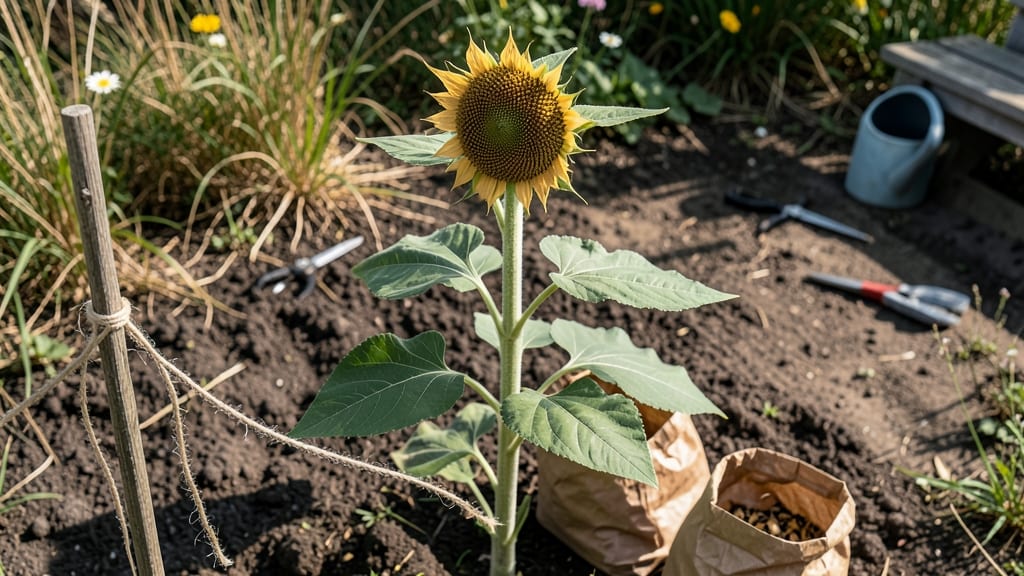
Learning how to dry out sunflowers turns your garden’s golden giants into dried arrangements that last through winter, and the secret lies in patience and the right conditions—no fancy equipment needed. 🌻
The process starts with freshly cut stems, stripped of leaves, and hung upside-down in a warm, dry spot. A dark closet or garage works perfectly, keeping humidity low and airflow steady. Within 2-4 weeks, the petals crisp while the centers stay intact—ideal for crafts or seed saving.
You’ll end up with sunflowers that hold their shape and color, perfect for wreaths, potpourri, or even pressed frames. The dried seeds make great bird feed too. Just check for brittleness: if a petal snaps cleanly, it’s ready.
Works for all sunflower varieties, from towering Mammoths to petite Teddy Bears. Whether you’re a crafter or just love preserving summer’s magic, this method keeps the joy alive all year.
📚 In This Guide
- What you need
- Instructions
- Tips and common mistakes
- Wrapping up and next steps
What you need
- ● Fresh sunflowers: Choose fully bloomed, healthy sunflowers with intact petals and seed heads. Aim for at least 3-5 if you want to experiment with different drying methods.
- ● Pruning shears or sharp scissors: To trim stems to your desired length (12-18 inches is ideal for most drying methods).
- ● Newspaper or drying paper: Enough to cover your workspace (a full sheet or two per sunflower).
- ● Rubber bands or twine: To bundle stems together for hanging or air-drying.
- ● String or fishing line: For hanging sunflowers (1-2 feet per flower, depending on size).
- ● A well-ventilated space: Such as a garage, porch, or shed with indirect sunlight and good airflow.
- ● Silica gel crystals: For fast drying (24-48 hours), especially if you’re in a hurry. Use a clear plastic bag and 1-2 cups of crystals per sunflower.
- ● Oven or dehydrator: For quick oven-drying (150°F/65°C for 2-3 hours). Line a baking sheet with parchment paper.
- ● Spray bottle with water: To lightly mist sunflowers if the air is too dry during air-drying.
- ● Glass jars or vases: For storing dried sunflowers long-term (ensure they’re clean and airtight).
- ● Wire or floral foam: For arranging dried sunflowers in bouquets or centerpieces.
Step-by-Step instructions for drying sunflowers
Here’s my foolproof method for drying sunflowers that keeps their vibrant color and sturdy stems intact.
🌿 Step 1: Harvest at Peak Maturity
Pick sunflowers when the petals are fully open but before they start wilting—this ensures the best drying results. Use clean, sharp scissors to cut the stems at a 45-degree angle about 6 inches below the flower head. This angled cut gives the stem more surface area to absorb water during drying.
Remove any leaves from the lower half of the stem. Leaves trap moisture and can cause mold during the drying process. I like to strip them off gently by hand, leaving just a few at the top to protect the flower head while it dries.
💧 Step 2: Prep for Drying with a Quick Water Bath
Fill a clean bucket or basin with lukewarm water and add 1 tablespoon of bleach per gallon to prevent bacteria growth. Submerge the stems in the water for 10-15 minutes—this hydrates the stems and helps them hold their shape during drying. Don’t soak them longer, or the petals may start to wilt.
After soaking, drain the water and let the sunflowers air-dry for 5-10 minutes on a clean towel. Pat the stems dry gently with another towel to remove excess moisture. This step is crucial—wet stems won’t dry properly and can develop mold.
☀️ Step 3: Choose Your Drying Method
For the fastest results, hang sunflowers upside down in a well-ventilated, dry area with indirect sunlight. I use a clothesline or sturdy wire to suspend them by their stems, ensuring the flower heads don’t touch anything. This method usually takes 2-3 weeks, depending on humidity levels.
If you’re in a humid climate, opt for an air-drying rack instead. Place the sunflowers on the rack with their stems pointing downward, ensuring good airflow around the petals. Check them weekly—if any petals start to darken or feel damp, speed up the process by moving them to a drier location.
⏰ Step 4: Monitor and Complete the Drying Process
Your sunflowers are ready when the petals are completely dry and crisp to the touch, and the stem snaps easily when bent. This usually takes 3-4 weeks in average conditions. To test, gently pull one petal—if it resists and feels brittle, it’s fully dried.
Once dry, carefully remove the flower heads from the stems. Store them in a cool, dark place in a breathable fabric bag or paper envelope to prevent moisture buildup. Avoid plastic containers—they trap humidity and can cause mold over time.
🌱 Step 5: Preserve for Long-Term Use
To keep your dried sunflowers looking fresh for years, add a small silica gel packet to the storage container. This absorbs any lingering moisture and prevents yellowing or brittleness. I like to place the flowers in a glass jar with a tight-fitting lid for an elegant display.
If you notice any signs of mold—like fuzzy spots or a musty smell—discard the affected flowers immediately. Proper drying and storage should keep them pristine for 1-2 years, making them perfect for seasonal decor year after year.
Tips & tricks for perfectly dried sunflowers
A few simple strategies will help you preserve those sunflowers beautifully without any of the common pitfalls I've seen over the years.
Harvesting Precision: In Step 1, when you're cutting those stems at a 45-degree angle, make sure to use sharp scissors—dull blades can crush the stem and create entry points for mold. Also, leave just enough leaves at the top to shield the flower head from direct sunlight during drying, but no more. I've ruined batches by leaving too many leaves, which trap moisture and create the perfect breeding ground for mold.
Water Bath Timing: The 10-15 minute soak in Step 2 is your chance to hydrate the stems properly, but don't overdo it! Set a timer and watch closely—petals will start to wilt if submerged too long. After draining, that 5-10 minute air-dry is just as critical. I learned this the hard way when my first batch developed mold because I rushed this step. Pat those stems completely dry with a clean towel to prevent any moisture from lingering.
Drying Environment: For Step 3, if you're hanging sunflowers upside down, make sure the area gets good airflow but stays dry. I've had the best success with a covered porch or garage with a small fan circulating air. In humid climates, check your drying progress weekly—if petals feel damp or darken, move them to a drier location immediately. The key is consistent airflow without direct sunlight that can bleach those beautiful petals.
Testing for Doneness: In Step 4, the crisp-to-the-touch test is your best friend. Gently pull a single petal—if it resists and feels brittle, your sunflowers are ready. If petals still feel pliable or bend easily, they need more time. I've had to wait an extra week in high humidity before achieving perfect dryness, so don't rush this final test. The stem snap test is equally important—it should break cleanly, not bend.
Pro Tips for Dry Out Sunflowers
- A few simple strategies will help you preserve those sunflowers beautifully without any of the common pitfalls I've seen over the years.
- Harvesting Precision: In Step 1, when you're cutting those stems at a 45-degree angle, make sure to use sharp scissors—dull blades can crush the stem and create entry points for mold.
- Water Bath Timing: The 10-15 minute soak in Step 2 is your chance to hydrate the stems properly, but don't overdo it!
Frequently asked questions
Got questions about drying sunflowers? You’re not alone! Here are some of the most common queries—and straightforward answers—to help you preserve those golden blooms like a pro.
How long does it take for sunflowers to dry completely?
With proper drying (hanging upside down in a dark, well-ventilated space with temperatures between 60–70°F), sunflowers typically dry in 2–4 weeks. Larger varieties may take longer, while smaller ones dry faster. Patience is key—rush it, and you risk mold or brittle petals!
Can I speed up the drying process?
While you can’t rush nature entirely, you can optimize conditions: Use a fan on low for gentle airflow, or place them in a dehumidifier-controlled room (40–50% humidity ideal). Avoid heat sources like radiators, which can scorch petals. Pro tip: Check weekly—remove stems when dry to prevent over-drying.
What if my sunflowers develop mold or spots?
Mold or discoloration usually means too much moisture or poor airflow. Act fast: Remove the flower from the bundle, trim any moldy areas, and let it dry in a sunny, breezy spot (like a windowsill) for 24–48 hours. If the damage is severe, consider composting and starting fresh with healthier blooms.
Can I dry sunflowers without cutting the stems?
Yes! For a rustic look, leave stems intact and hang them upside down. However, stems may stay green longer and attract pests. To speed things up, trim stems to 4–6 inches before drying—this focuses energy on the petals. Bonus: Shorter stems make arranging easier later!
What’s the best way to store dried sunflowers long-term?
Once fully dry, store sunflowers in a cool, dark place (like a closet or cardboard box with holes for airflow). Wrap individual blooms in acid-free tissue paper to prevent dust and pests. With proper care, they’ll stay vibrant for 1–2 years—perfect for holiday decor or sentimental keepsakes!
Still stumped? Drop your question in the comments—we’re happy to help!
Wrapping up and next steps
Drying sunflowers is a simple yet rewarding way to bring summer’s golden charm into your home all year long! With just a few tools—like patience, proper airflow, and a cozy spot—you can transform fresh blooms into stunning, long-lasting decor.
Whether you’re crafting bouquets, wreaths, or centerpieces, your dried sunflowers will keep their beauty intact for months.
Now that you’re ready to preserve your sunflowers, why not take it a step further? Try experimenting with different drying methods—like hanging, air-drying, or even silica gel—to see which works best for your space.
Once dried, get creative! Use them in DIY projects, gift baskets, or even as unique home accents. Your green thumb (and artistic flair) just got a whole new canvas! 🌻✨