Transplanting
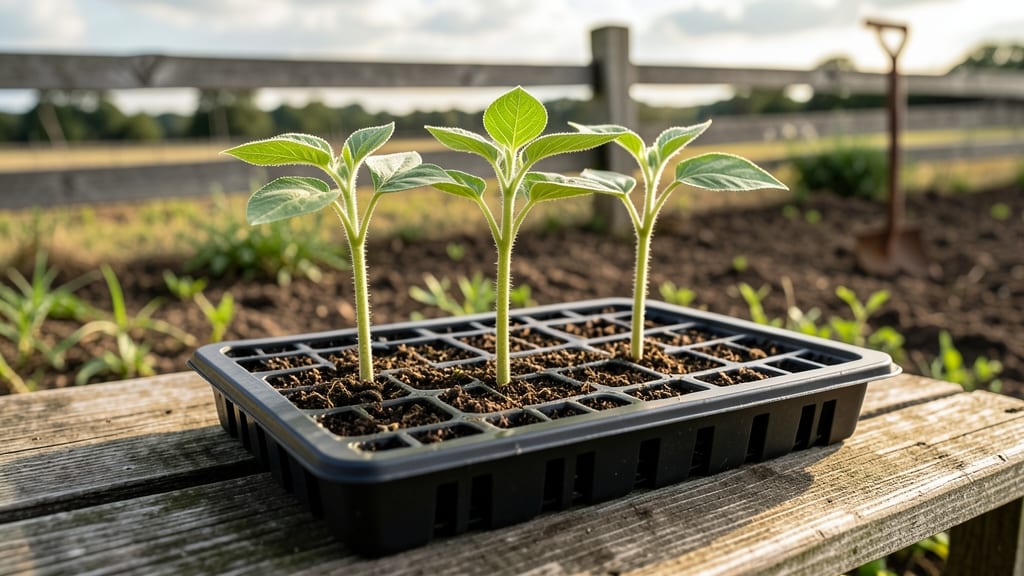
Caring for sunflower seedlings is where the magic—or the mess—happens. 🌱 Those delicate sprouts need just the right balance of water, light, and patience to grow into towering giants, not floppy sad stalks.
I’ve nursed dozens of sunflower starts, and the difference between thriving seedlings and struggling ones comes down to a few simple habits most people overlook.
The biggest mistake? Letting them dry out or drown. Sunflower seedlings want consistently moist soil—not soggy, not bone-dry—but just damp enough that the top inch feels cool to the touch. A shallow tray of water beneath the pot (with drainage holes!) keeps things steady without fuss.
And here’s the secret: morning sunlight is your best friend, even if it’s just a few hours at first. Too much direct heat? They’ll stretch like overcooked pasta.
By week three, you’ll see those first true leaves unfurl—dark green and sturdy—and that’s when you know you’re on the right track. Proper spacing now means fewer crowded, weak stems later.
Give them 12–18 inches apart if planting directly, or thin seedlings to that distance if they’re packed too tight. The payoff? Sunflowers that grow bold and straight, not leaning like they’re searching for the sun.
Leggy? Too little light. Yellowing leaves? Overwatering. These early signs are your garden’s way of talking—listen, and you’ll grow sunflowers that reach for the sky instead of flopping over. Let’s get those seedlings thriving before they’re too big to handle.
📚 In This Guide
- What you need
- Instructions
- Tips and common mistakes
- Wrapping up and next steps
What you need
- ● Seedlings: 3–6 healthy sunflower seedlings (check for sturdy stems and vibrant leaves).
- ● Containers: Individual pots (4–6 inches deep) or
- ● A shared tray with drainage holes (if transplanting later).
- ● Potting Mix: Well-draining, seed-starting mix (avoid garden soil—it’s too dense!). Quantity: Enough to fill containers to 1–2 inches from the rim.
- ● Watering Can or Spray Bottle: With a fine nozzle to avoid disturbing seedlings.
- ● Fertilizer: Balanced, water-soluble fertilizer (5-5-5 or 10-10-10). Dilution: Half-strength for seedlings.
- ○ Support (Optional but Helpful): Small stakes or bamboo skewers (4–6 inches tall) for tall varieties.
- ● Twine or soft plant ties (if staking).
- ● Grow Lights: LED or fluorescent lights (12–16 hours/day) if natural light is <2–3 hours/day.
- ● Heat Mat: For cooler climates (keeps soil at 65–75°F).
- ● Mulch: Light straw or coconut coir to retain moisture.
- ● pH Test Kit: To ensure soil pH is 6.0–7.0 (sunflowers love slightly acidic to neutral soil!).
- ● Insect Spray: Neem oil or insecticidal soap (preventative measure for pests).
Step-by-Step guide to nurturing sunflower seedlings
Here's how I keep sunflower seedlings sturdy and thriving from the moment they sprout.
🌱 Step 1: Provide Consistent Moisture Without Overwatering
Sunflower seedlings need steady moisture but hate soggy soil. Water gently every 2-3 days until the top inch of soil feels dry. I use a watering can with a fine rose to avoid disturbing the delicate stems. The soil should stay damp—not wet—so water just until you see moisture reach the bottom of the pot.
Overwatering is the biggest mistake here. Too much moisture causes damping-off, where seedlings collapse at the soil line. If you see stems turning brown or wilting, pull back on watering immediately. Sunflowers are drought-tolerant once established, but seedlings need consistent hydration to develop strong roots.
☀️ Step 2: Position for Bright, Indirect Light
Place seedlings in a spot with bright, indirect light for the first 7-10 days. A south-facing window works, but direct midday sun can scorch tender leaves. If you notice leaves turning yellow or crispy at the edges, move the seedlings back a few inches. You'll see healthy seedlings with deep green leaves and sturdy stems.
After 10 days, gradually introduce them to 4-6 hours of morning sun daily. This hardening process prevents shock when you transplant them outdoors. Watch for leaves that perk up and grow toward the light—this means they're ready for more sun exposure.
🪴 Step 3: Transplant When Seedlings Are 4-6 Inches Tall
Once seedlings reach 4-6 inches and have 4-6 true leaves, it's time to transplant. Choose a sunny spot in your garden with well-draining soil. Dig holes twice as wide as the root ball and space them 12-18 inches apart to give them room to grow. Handle seedlings by their leaves, not the stems, to avoid damaging them.
After transplanting, water deeply to settle the soil around the roots. Mulch with 1-2 inches of organic mulch to retain moisture and protect the soil from drying out. Keep an eye on the seedlings for the first week—if leaves wilt slightly, give them a drink of water to help them adjust.
✂️ Step 4: Support and Thin as Needed
Sunflowers grow tall and need support. Install stakes or cages 2-3 weeks after transplanting before the stems get too heavy. Gently tie the main stem to the support with soft plant ties, leaving room for growth. If multiple seedlings sprout in one pot, thin to the strongest one to avoid competition for nutrients.
Watch for signs of stress like yellowing leaves or stunted growth. These can signal overcrowding, nutrient deficiency, or pests. If you see aphids or other pests, spray with a gentle soapy water solution or introduce beneficial insects like ladybugs to keep them in check.
💧 Step 5: Water Deeply and Fertilize Lightly
Once transplanted, water deeply once a week, allowing the soil to dry out slightly between waterings. Sunflowers have deep roots, so deep watering encourages them to grow stronger. Avoid wetting the leaves to prevent fungal diseases like powdery mildew, which can weaken seedlings.
Fertilize lightly with a balanced 10-10-10 fertilizer every 4-6 weeks to support growth. Too much fertilizer can cause weak stems, so stick to the recommended amounts. You'll see robust growth and vibrant blooms as a sign that your care is paying off.
Tips & tricks for perfect sunflower seedling care
These simple strategies will help you raise resilient sunflower seedlings that grow into strong, vibrant plants.
Soil Moisture Secret: The key to Step 1 is checking soil moisture with your finger rather than relying on a schedule. Stick your finger about an inch deep—if it feels dry, it's time to water. I've found that using a spray bottle for light misting between waterings helps maintain consistent moisture without oversaturating. Remember, soggy soil is the enemy of healthy seedlings.
Light Transition Strategy: In Step 2, when moving seedlings to more sun after 10 days, I gradually increase exposure over 3-4 days rather than all at once. Start with just 2 hours of morning sun, then add an extra hour each day. This slow adaptation prevents sunburn and helps seedlings develop the protective pigments they need for full sun.
Transplanting Technique: For Step 3, I always transplant on a cloudy day or in the late afternoon to reduce stress on the seedlings. The wider holes you dig (twice as wide as the root ball) give roots room to spread immediately, which helps establish them faster. Gently firm the soil around the roots after planting to eliminate air pockets that can cause wilting.
Pest Prevention: In Step 4, I've found that a preventive approach works best. Before signs of pests appear, I spray seedlings with a diluted neem oil solution (1 teaspoon per quart of water) every 7-10 days. This natural remedy deters aphids and other common pests while being safe for beneficial insects. The early prevention saves me from dealing with full-blown infestations later.
Pro Tips for Care For Sunflower Seedlings
- These simple strategies will help you raise resilient sunflower seedlings that grow into strong, vibrant plants.
- Soil Moisture Secret: The key to Step 1 is checking soil moisture with your finger rather than relying on a schedule....
- Light Transition Strategy: In Step 2, when moving seedlings to more sun after 10 days, I gradually increase exposure ...
Frequently asked questions
Got questions about keeping your sunflower seedlings happy and healthy? You’re not alone! Here are some of the most common concerns—plus straightforward answers to help you troubleshoot and thrive.
How often should I water sunflower seedlings?
Keep the soil consistently moist but not soggy—water when the top inch feels dry. Overwatering can drown roots, while underwatering stunts growth. Use a spray bottle or gentle stream to avoid disturbing delicate seedlings. Pro tip: Water at the base (not the leaves) to prevent fungal issues.
When is the best time to transplant sunflower seedlings outdoors?
Wait until nighttime temperatures stay above 50°F (10°C) and all frost risk has passed. Harden off seedlings 5–7 days before transplanting by gradually exposing them to outdoor conditions. Plant after soil warms up (at least 60°F/15°C) for optimal growth.
What if my sunflower seedlings look leggy or weak?
Leggy seedlings usually mean they’re stretching for light. If this happens, thin them to 12–18 inches apart and move containers to a sunny windowsill or grow light. Avoid overcrowding—sunflowers need space to grow strong! For extra vigor, use a balanced fertilizer (like 10-10-10) when transplanting.
How do I protect seedlings from pests like aphids or cutworms?
Inspect seedlings regularly for pests. For aphids, spray with soapy water (1 tbsp mild soap per gallon). To deter cutworms, wrap stems with cardboard collars or use organic insecticide like neem oil. Prevention tip: Keep garden beds weed-free—pests love hiding there!
Can I grow sunflower seedlings indoors before transplanting?
Yes! Start seeds indoors 4–6 weeks before the last frost. Use biodegradable pots to avoid root disturbance. Place under grow lights (14–16 hours/day) until seedlings are 2–3 inches tall. Just be sure to acclimate them to outdoor conditions before moving them outside.
Wrapping up and next steps
Caring for sunflower seedlings is all about patience, consistency, and a little love—just like nurturing any young plant! With the right balance of sunlight, water, and space, your seedlings will grow into towering, cheerful sunflowers that brighten up your garden. 🌻
Now that you’re armed with these thrive-ready tips, it’s time to roll up your sleeves and watch your green babies flourish. Ready to transplant? Follow up with our guide on moving seedlings outdoors for a seamless transition to their forever home!