Lawn
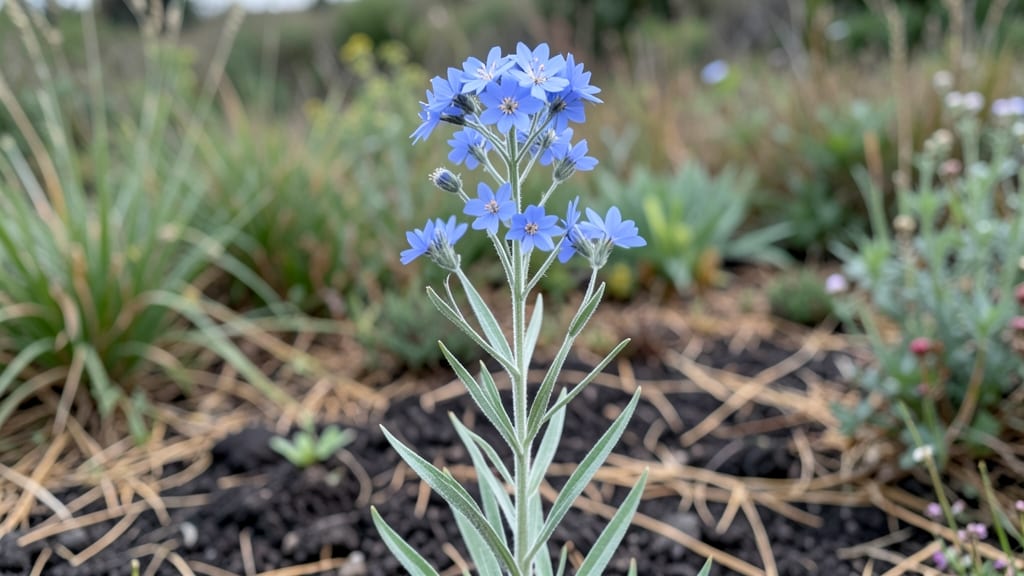
The Pacific Northwest’s flax seed flower thrives where others struggle, turning dry corners into fields of delicate blue blooms that hum with bees. I’ve grown it for three years now, and every spring, those first sky-blue stars pop up without a single seed I planted—self-seeding magic.
The secret lies in its drought tolerance and easygoing nature, perfect for gardeners who want beauty without fuss.
You’ll need full sun, well-draining soil, and patience for those first sprouts—sometimes up to three weeks to appear. Once established, flax handles neglect like a champ, making it ideal for wildflower meadows or cottage garden borders.
The blooms attract pollinators all summer, and the seeds? Edible, nutritious, and a bonus harvest you didn’t plan for.
By midsummer, you’ll have towering stems of blue lacework swaying in the breeze, each flower a magnet for butterflies. The plants dry beautifully for arrangements, too—just snip stems and hang upside down.
And here’s the best part: no deadheading needed. Let them go to seed, and next year’s crop will plant itself.
Common issues? Overwatering kills it faster than drought. And if slugs munch the young leaves, a beer trap or diatomaceous earth does the trick. For the PNW’s dry summers, this is the foolproof perennial that keeps coming back.
📚 In This Guide
- What you need
- Instructions
- Tips and common mistakes
- Wrapping up and next steps
What you need
- ● Flax seed flower seeds: 1–2 oz (about 30–60 seeds per square foot for dense planting). Choose organic, non-GMO seeds for best results.
- ● Well-draining soil: Flax thrives in sandy, loamy, or slightly acidic soil (pH 6.0–7.5). Amend heavy clay with compost or perlite.
- ● Sunlight access: Full sun (6+ hours daily). Partial shade is tolerable but may reduce blooms.
- ● Water source: Drought-tolerant once established, but seedlings need consistent moisture (use a watering can or drip irrigation for precision).
- ● Garden trowel or transplanter (for sowing seeds ¼ inch deep).
- ● Hoe or rake (to loosen soil and remove weeds).
- ○ Gloves (optional but recommended for handling soil and seeds).
- ○ Mulch (straw or wood chips) (optional, to retain moisture and suppress weeds).
- ○ Container or raised bed (optional, for urban gardeners; use at least 6-inch-deep pots with drainage holes).
- ● Timing: Sow seeds in early spring (March–April) or late summer (August–September) for fall blooms. Avoid frost-prone areas.
- ● Drought readiness: Once established, flax needs minimal watering—perfect for PNW’s dry summers!
- ● Self-seeding habit: Deadhead spent blooms if you don’t want volunteers popping up everywhere next year. 😉
Step-by-Step instructions for growing flax seed flowers
This hardy annual thrives in the Pacific Northwest’s climate, offering striking blue blooms with minimal care.
Prepare the Planting Site
Flax seed flowers love well-draining soil and full sun, making them perfect for dry, sunny spots in your garden. Work in a 4-foot-wide area where the soil hasn’t been recently fertilized—flax grows best in lean, sandy, or loamy conditions. If your soil is heavy clay, mix in 2-3 inches of coarse sand or perlite to improve drainage. Avoid areas where other plants have struggled with rot, as flax dislikes overly rich soil.
Use a garden fork to loosen the top 6 inches of soil, breaking up any compacted layers. Rake the surface smooth to create a fine seedbed. Since flax is drought-tolerant, skip adding compost unless your soil is extremely poor. Overly fertile soil leads to leggy plants and fewer blooms. Water the area lightly the day before planting to ensure the soil is moist but not soggy.
Sow Seeds at the Right Time and Depth
Plant flax seeds outdoors 2-4 weeks before your last frost date in early spring. Seeds germinate best in soil temperatures between 50-70°F, which aligns perfectly with the Pacific Northwest’s spring conditions. Scatter seeds ¼ inch deep, spacing them 6-12 inches apart—closer spacing encourages self-seeding, while wider gaps give plants room to mature fully.
Lightly cover the seeds with soil and press gently to ensure good seed-to-soil contact. Water the area thoroughly but avoid disturbing the seeds. You’ll see first sprouts in 7-14 days, depending on soil warmth. Once seedlings emerge, reduce watering to prevent damping-off, a fungal disease that affects young plants.
Provide Minimal Care for Healthy Growth
Flax is one of the most low-maintenance flowers you can grow, requiring little to no fertilizer once established. Water deeply once a week during dry spells, allowing the top 1-2 inches of soil to dry out between waterings. Overwatering causes root rot, while underwatering simply results in shorter plants—both are easily avoided.
Watch for tall, spindly growth, which signals the plants need more sunlight. If your garden spot receives partial shade, transplant seedlings to a sunnier location. Thin crowded seedlings to 6 inches apart when they reach 3-4 inches tall to improve airflow and reduce disease risk. Flax rarely needs staking, as its sturdy stems hold up well in light breezes.
Enjoy Blooms and Encourage Self-Seeding
Flax flowers typically bloom 60-70 days after sowing, producing clusters of sky-blue to lavender blossoms that attract bees and butterflies. Deadhead spent blooms by snipping them off at the base to encourage continuous flowering through the season. If you’d like to save seeds for next year, leave a few seed heads on the plant until they turn brown and dry.
One of flax’s best features is its self-seeding habit. Allow some plants to go to seed, and they’ll scatter freely, creating natural drifts of blue in subsequent years. In colder climates, pull up plants before frost or let them reseed in place—they’ll return reliably without intervention. Harvest seeds by cutting the dried heads and shaking them into a paper bag for storage.
Tips & tricks for perfect flax seed flower growth
These simple yet game-changing tips will help you grow the most vibrant flax seed flowers with minimal effort.
Soil Preparation Secret: In Step 1, when loosening the top 6 inches of soil, go the extra mile by breaking up any remaining clumps—flax roots need that loose texture to establish quickly. If your soil is particularly dense, add a handful of coarse sand to the planting area, but don't overdo it. The goal is to mimic the natural, well-draining conditions flax thrives in. This one step makes all the difference in preventing waterlogged roots that can stunt growth.
Timing Tip for Germination: The 7-14 day germination window in Step 2 can feel like an eternity, but there's a trick to speed things up. After sowing, cover the area with a thin layer of straw mulch—just enough to protect seeds from drying out while still allowing sunlight. This creates a more stable soil temperature, especially in cooler Pacific Northwest springs when soil temps hover around 50°F. The mulch also helps retain that crucial moisture without creating soggy conditions.
Watering Wisdom: When you're watering deeply once a week as mentioned in Step 3, focus the water at the base of the plants rather than overhead. This prevents fungal issues like damping-off and ensures the roots get the moisture they need. A good test is to stick your finger 1-2 inches into the soil—if it feels dry, it's time to water again. The key is to keep the soil consistently moist but never soggy, which is especially important during those first few weeks when seedlings are establishing.
Bloom Extension Strategy: For continuous flowering as mentioned in Step 4, I've found that deadheading every 3-4 days makes a huge difference. The moment you see the first buds opening, snip them off at the base with clean scissors. This might seem counterintuitive, but it redirects the plant's energy toward producing new blooms instead of setting seed. You'll be rewarded with weeks of vibrant blue flowers rather than a single flush of blooms.
Pro Tips for Flax Seed Flower
- These simple yet game-changing tips will help you grow the most vibrant flax seed flowers with minimal effort.
- Soil Preparation Secret: In Step 1, when loosening the top 6 inches of soil, go the extra mile by breaking up any rem...
- Timing Tip for Germination: The 7-14 day germination window in Step 2 can feel like an eternity, but there's a trick ...
Frequently asked questions
Got questions about growing flax seed flowers? You’re not alone! Here are some of the most common queries from gardeners in the Pacific Northwest (and beyond) who want to cultivate this drought-tolerant beauty.
How long does it take for flax seed flowers to grow from seed to bloom?
Flax seed flowers are fast growers! From seed to first bloom, expect 60–90 days in ideal conditions (cool, moist soil with full sun). In the PNW’s mild climate, you’ll often see delicate blue or white blooms by early summer if sown in early spring.
Can flax seed flowers survive drought once established?
One of their biggest perks is drought tolerance after the first few weeks. Once roots are established (about 4–6 weeks post-germination), they thrive with minimal watering. Mulch lightly to retain moisture, but don’t overdo it—they hate soggy soil.
What’s the best way to harvest flax seed flowers for seeds?
Wait until the seed pods turn brown and papery (late summer/early fall). Snip the stems with scissors, then spread them in a dry, shaded area to fully dry. Once brittle, gently rub the pods to release seeds for next year’s garden—or save them for linseed oil!
Are there any pests or diseases I should watch for with flax seed flowers?
Flax is generally pest-resistant, but watch for aphids (tiny green bugs) or rust fungus in humid years. Remove affected leaves promptly, and ensure good airflow between plants. Rotate crops annually to prevent soil-borne issues.
Can I grow flax seed flowers in containers?
Yes! They’re perfect for containers if you choose a deep pot (12+ inches)** with drainage holes. Use a lightweight, well-draining mix, and keep them in full sun. Just be mindful—they self-seed aggressively, so deadhead if you want to control spread.
Pro Tip:
Need a low-maintenance pollinator magnet? Flax flowers attract bees and butterflies without needing deadheading. Let some seed heads mature for wildlife—and free seeds for next season!
Wrapping up and next steps
Growing flax seed flowers in the Pacific Northwest isn’t just easy—it’s a rewarding way to add drought-tolerant, self-seeding beauty to your garden with minimal effort. 🌱 Whether you’re drawn to their delicate blooms or their hardy resilience, these perennials prove that stunning landscapes don’t require constant upkeep. Now’s the perfect time to take action: grab your seeds, prep your soil, and let nature do the rest!
Ready to transform your yard? Start small with a test patch this season, then expand as you fall in love with their charm. Happy gardening! 🌸