Planting
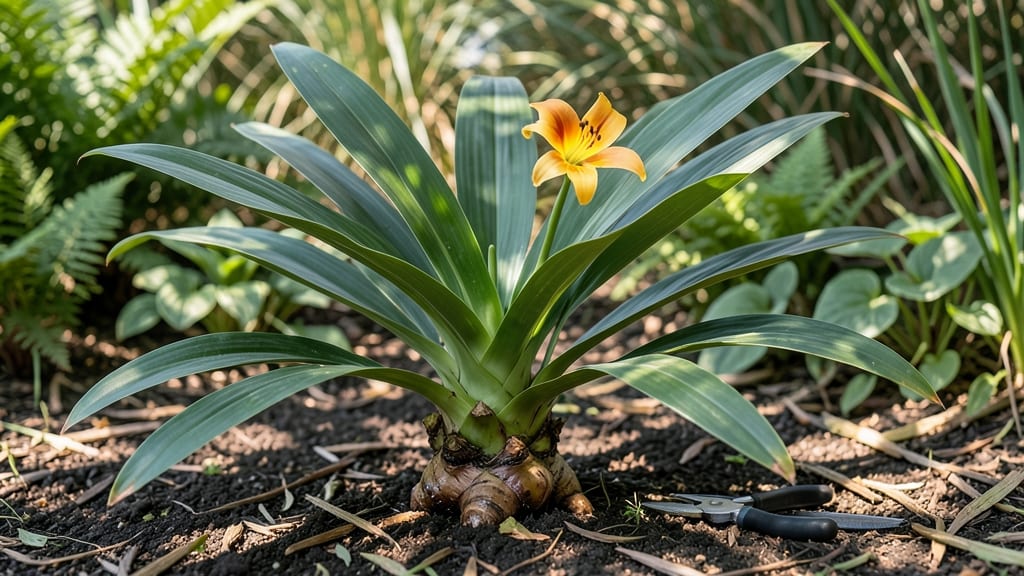
The edible ginger plant's delicate, fragrant flowers transform your garden into a spice cabinet on stems. 🌸 I’ve grown ginger for years, but it wasn’t until I discovered these pale pink blooms that I realized the plant’s full potential—beyond just the rhizomes.
These flowers aren’t just pretty; they’re edible, adding a subtle floral note to teas, garnishes, and even stir-fries.
Growing ginger to flower requires patience and the right conditions: warm soil (70–85°F), partial shade, and consistent moisture. Most gardeners focus on harvesting rhizomes, but if you want those stunning blooms, you’ll need to let the plant mature for 18–24 months—and protect it from frost.
The trade-off? A garden that smells like a tropical spice market and a harvest that’s both beautiful and useful.
Once the flowers appear, you’ll have 3–4 weeks to enjoy them before they fade. Harvest them young for the most delicate flavor, then dry or freeze them for later use.
The rhizomes, meanwhile, will continue growing—meaning you get a double harvest: fragrant blooms and spicy roots. It’s the kind of dual-purpose plant that makes gardening feel like magic.
Perfect for gardeners in USDA Zones 9–11 (or container growers in cooler climates), this guide covers everything from soil prep to flower care—so you can grow ginger that’s as productive as it is pretty. Let’s get those rhizomes blooming!
📚 In This Guide
- What you need
- Instructions
- Tips and common mistakes
- Wrapping up and next steps
What you need
- ● Ginger rhizomes: 3–5 organic, disease-free ginger roots (preferably Alpinia galanga or Zingiber zerumbet for edible blooms).
- ● Well-draining potting mix: 5–10 gallons (for containers) or enriched garden soil (for in-ground planting).
- ● Containers or garden bed: Containers: 12–18" deep pots with drainage holes (1–2 plants per container).
- ● Garden bed: Sunny, sheltered spot with partial shade (4+ hours of morning sun).
- ● Organic compost: 1–2 cups per plant to boost nutrient-rich growth.
- ● Slow-release fertilizer: Balanced (10-10-10) or organic options like worm castings.
- ● Watering can or hose: With a gentle spray nozzle for hydration.
- ● Pruning shears: Sharp, sterilized shears for harvesting flowers.
- ● Mulch: Straw or wood chips to retain moisture and regulate soil temp.
- ● Ginger companion plants: Basil or lemongrass to deter pests naturally.
- ● Honey or sugar water: 1 tsp in 1 cup water (sprayed on buds to attract pollinators).
- ● Food-safe containers: For drying or preserving flowers (e.g., glass jars).
How to grow and use edible ginger flowers for culinary delights
Here's the method I've perfected for coaxing fragrant ginger blooms—both for your garden and your kitchen.
🌱 Step 1: Select and Prepare a Healthy Ginger Rhizome
Choose a plump, firm ginger rhizome with visible growth buds (eyes) and no soft or moldy spots. The rhizome should weigh about 1 pound—this ensures enough energy for flowering. Cut it into 3-inch sections, making sure each piece has at least two buds. Let the cut pieces dry in a warm, shaded spot for 24 hours to prevent rot.
Plant the rhizome sections 2 inches deep in well-draining soil, spacing them 6 inches apart. Ginger thrives in partial shade with morning sun, so avoid full afternoon exposure. Keep the soil consistently moist but never soggy—ginger roots rot easily. You'll know you're on track when new shoots emerge in 3-4 weeks.
☀️ Step 2: Encourage Flowering with Proper Care
Ginger typically flowers in its second year of growth, so patience is key. To speed up blooming, provide bright, indirect light and warmth (70-80°F). If growing in containers, use a 12-inch pot with drainage holes—ginger roots spread aggressively. Fertilize lightly every 4-6 weeks with a balanced organic fertilizer (10-10-10) to support vigorous growth without overfeeding.
Watch for long, slender pseudostems emerging from the center of the plant—this is the first sign of flowering. Once the stems reach 12-18 inches tall, they’ll unfurl delicate white or pale yellow flowers with a faint citrusy fragrance. Harvest flowers in the morning when they’re fully open for the best flavor and aroma.
🌿 Step 3: Harvest and Preserve Ginger Flowers
Gently twist or snip the flower stems at the base to avoid damaging the plant. Use flowers immediately for garnishes or infusions, or dry them for later use. To dry, tie small bundles with twine and hang upside down in a well-ventilated, dark place for 1-2 weeks. Once completely dry, store the flowers in an airtight container away from light.
For tea, steep 2-3 dried flowers in 1 cup boiling water for 5-10 minutes. The resulting infusion has a subtle ginger-spice aroma with hints of citrus. You can also freeze fresh flowers in ice cube trays with water or broth for later use in cocktails or soups.
✂️ Step 4: Maintain the Plant for Future Harvests
After flowering, the plant may produce seed pods—if you want more ginger rhizomes, leave a few pods to mature. Otherwise, trim them back to encourage leafy regrowth. Ginger is a perennial in warm climates (USDA zones 9-11) but dies back in colder areas. In cooler regions, dig up the rhizome in fall, dry it, and replant the following spring.
To keep your ginger plant thriving, mulch around the base with 2-3 inches of organic mulch (like straw or shredded leaves) to retain moisture and regulate soil temperature. Water deeply once a week during dry spells, but reduce frequency in winter. With proper care, your ginger plant will reward you with years of fragrant blooms and edible rhizomes.
Tips & tricks for perfect edible ginger flowers
A few key insights will help you coax the most fragrant blooms from your ginger plant—and make the most of their delicate flavors.
Rhizome Selection Matters: Don't just grab any ginger root from the grocery store—look for organic, plump rhizomes with visible "eyes" (growth buds). Conventional store-bought ginger is often treated to prevent sprouting, so it won't flower. For best results, source organic ginger from specialty markets or online growers. The 1-pound size recommendation ensures enough energy for flowering, but don't worry if yours is slightly smaller—the key is having those two buds per section.
Drying Time is Critical: That 24-hour drying period after cutting your rhizome sections is non-negotiable. This step prevents rot by allowing the cut surfaces to form a protective callus. I've learned this the hard way—skipping it leads to mushy sections that won't root properly. Place them in a warm, shaded spot with good airflow, like on a kitchen counter away from direct sunlight.
Flowering Environment Secrets: While ginger typically flowers in its second year, you can encourage earlier blooms by creating ideal conditions. The 70-80°F range is perfect—think of it as a warm greenhouse environment. If your home runs cooler, consider using a heat mat under the pot or moving it near a sunny window during the day. Also, the 12-inch pot size recommendation is ideal because ginger roots spread aggressively—don't go smaller, or you'll risk root-bound stress that delays flowering.
Harvesting Timing Tip: Morning is absolutely the best time to harvest those delicate flowers. That's when their citrusy aroma is strongest and their petals are fully unfurled. If you must harvest later in the day, do it in the early afternoon—avoid evening harvests when the flowers start to close. For tea, I've found that 5-10 minutes of steeping gives the perfect balance of floral and ginger notes without bitterness. Start with 5 minutes if you're sensitive to strong flavors.
Pro Tips for Edible Ginger Plant Flower
- A few key insights will help you coax the most fragrant blooms from your ginger plant—and make the most of their delicate flavors.
- Rhizome Selection Matters: Don't just grab any ginger root from the grocery store—look for organic, plump rhizomes with visible "eyes" (growth buds).
- Drying Time is Critical: That 24-hour drying period after cutting your rhizome sections is non-negotiable.
Frequently asked questions
Got questions about harvesting and using edible ginger plant flowers? Here are some of the most common ones—plus simple answers to help you make the most of these fragrant blooms!
Can I eat ginger flowers raw?
Yes!
Ginger flowers are completely edible and can be used fresh in salads, garnishes, or even as a fragrant garnish for drinks. Their mild, slightly citrusy flavor pairs beautifully with sweet and savory dishes. Just rinse them gently under cool water before using to remove any dirt or debris.
When is the best time to pick ginger flowers?
The best time to harvest ginger flowers is in the morning
after the dew has dried but before the sun gets too hot. This ensures the petals are fresh, vibrant, and packed with flavor. Avoid picking them when they’re fully open—they’re at their peak when still slightly closed in bud form!
What can I do if my ginger plant isn’t flowering?
Ginger plants may skip flowering
if they’re too young, lack sunlight, or aren’t getting enough nutrients. Try moving your plant to a sunnier spot (6+ hours of light daily) and fertilize with a balanced, organic fertilizer. Patience is key—some varieties take 1-2 years to bloom!
Are there any substitutes for ginger flowers in recipes?
If you can’t find ginger flowers,
try using edible orchid petals, rose petals, or even a pinch of dried lavender for a similar floral touch. For a ginger-like aroma, a tiny amount of ground ginger or a few drops of ginger essential oil (used sparingly!) can work in baked goods or teas.
How do I store ginger flowers for later use?
Store ginger flowers in the fridge
for up to 3-5 days in a sealed container with a paper towel to absorb moisture. For longer storage, dry them in a cool, dark place (like a dehydrator or air-drying) and keep them in an airtight jar away from light. Dried flowers can last for months!
Wrapping up and next steps
Discovering the edible ginger plant flower opens up a world of fragrant possibilities—whether you're sipping on a delicate tea or elevating your dishes with a touch of floral elegance.
These delicate blooms aren’t just beautiful; they’re packed with subtle zesty notes and potential health benefits, making them a versatile and exciting addition to your culinary and wellness routines.
Ready to explore further? Start by experimenting with small batches of flowers in your favorite recipes or brews. Grow your own ginger plant for a fresh, endless supply—or visit local farmers' markets to source these floral treasures.
Every bloom is a chance to elevate your creations with nature’s finest flavors! 🌸✨