
Pruning
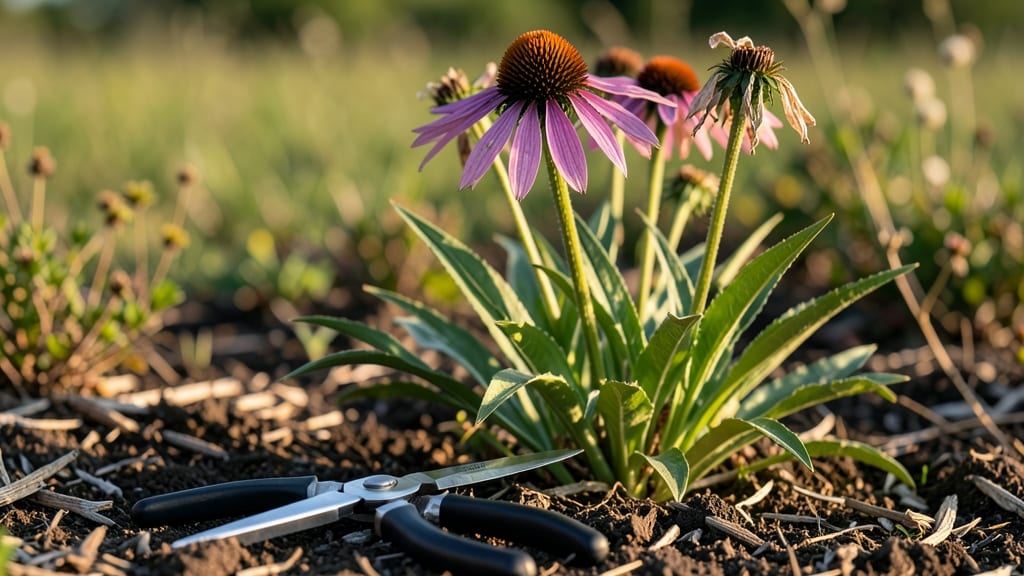
Cutting down coneflowers in the fall sparks debate, but here's what I've learned after years of experimenting: leaving them standing often wins—especially in colder zones. 🌿 The dried blooms feed birds and add winter interest, while cutting too early can stress the plant before it's ready for winter.
That said, if your garden looks messy or you're in a wet climate where disease lurks, light pruning (cutting back by half) in late fall is better than nothing. The key is timing: wait until after the first hard frost when the foliage has browned but before snow flies.
This gives the plant just enough time to recover before winter sets in.
What you'll end up with is a neater garden come spring without sacrificing next year's blooms. Coneflowers are tough—they'll bounce back whether you cut them or not, but proper timing makes all the difference.
For regions with mild winters, you might even skip pruning entirely and let nature take its course.
Here's where it gets interesting: if you do prune, leave 3-4 inches of stem to protect the crown from temperature swings. And if you're growing coneflowers for seed, hold off until spring—those seed heads are a winter buffet for goldfinches and chickadees. Let's get into the details!
📚 In This Guide
- What you need
- Instructions
- Tips and common mistakes
- Wrapping up and next steps
What you need
- ● Pruning shears or hedge clippers: Sharp, clean, and disinfected (rubbing alcohol works). Opt for bypass pruners for clean cuts.
- ● Garden gloves: A pair of durable, cut-resistant gloves to protect your hands from thorns and debris.
- ○ Garden twine or plant ties (optional but helpful): If you’re staking tall stems, use biodegradable twine or soft plant ties.
- ● Rake or leaf blower: To clear away fallen leaves and debris from the base of plants post-pruning.
- ● Garden hose or bucket of water: For rinsing tools and cleaning up sap or saplings.
- ● Disinfectant (e.g., 1-part bleach to 9-parts water): To sterilize tools between cuts and prevent disease spread.
- ● Pruning saw: For thicker stems that resist shears (though coneflowers rarely need this!).
- ● Compost bin or bag: To collect pruned stems for nutrient-rich compost.
- ● Knee pad or small stool: For comfort if you’re working in a large garden bed.
- ● Label markers: If you’re dividing plants, label new sections for easy identification next spring.
Step-by-Step guide for pruning coneflowers in fall
Here's the method I trust to keep coneflowers thriving through winter and blooming bigger next spring.
✂️ Step 1: Wait Until Late Fall After First Frost
Don't rush to prune—wait until after the first hard frost when foliage turns brown but stems remain upright. This timing lets the plant store energy in its roots for next season. I usually prune in November or December, depending on your climate zone.
Check the stems by gently bending them—if they snap cleanly instead of bending, they're ready. Pruning too early removes protective foliage that shields roots from winter winds. If you live in a mild climate, wait until January when growth naturally slows.
✂️ Step 2: Cut Back to 4-6 Inches Above Ground Level
Use clean, sharp pruners to cut stems back to 4-6 inches above the ground. This height prevents rot while leaving enough growth to protect the crown. I always make cuts at a slight angle just above a leaf node to encourage new growth from that spot next spring.
Don't cut too low—you want to preserve the plant's energy reserves. If you cut back to bare ground, you risk damaging the crown or leaving it vulnerable to frost heave. For large clumps, I work in sections to avoid overwhelming the plant's system.
⏰ Step 3: Remove All Dead or Diseased Stems Immediately
Scan the plant for any stems that look mushy, blackened, or covered in mold—these need removal right away. Bag and discard these stems in yard waste, never compost. Healthy stems should feel firm and dry, not hollow or squishy.
I like to prune on a dry day when the stems aren't wet from dew or rain. Wet stems tear more easily and can spread disease if you're not careful. If you find any powdery mildew on leaves, prune those stems first and disinfect your tools with rubbing alcohol between cuts.
🌿 Step 4: Clean Up Debris and Mulch the Base
Rake away all cut stems and leaf debris from the planting area—this prevents pests and diseases from overwintering. I spread a 2-3 inch layer of mulch around the base, leaving a small gap around the crown to prevent moisture buildup.
Use shredded leaves or straw mulch for best results—these break down slowly and improve soil structure. Avoid thick layers of wood chips, which can suffocate the plant. Water the base lightly after mulching to help settle everything in place.
☀️ Step 5: Mark the Location for Spring Care
Place a small stake or flag near each pruned coneflower to mark its location—next spring, you won't remember where everything is! I write the variety name on the stake if I'm growing multiple types. This simple step saves time when it's time to fertilize or divide in early spring.
Take a final look at your garden beds—you'll notice how much cleaner and more organized everything looks. This preparation gives your coneflowers the best chance to bounce back strong in spring. The key is patience—resist the urge to prune too early or too late.
Tips & tricks for pruning coneflowers in fall
Here's what I've learned after years of trial and error to help your coneflowers survive winter like a pro.
Timing is Everything: The November-December window in Step 1 is crucial because it lets the plant store energy in its roots before dormancy. If you're in a mild climate, don't rush—wait until January when growth naturally slows. I've seen plants that were pruned too early struggle to bounce back in spring because they lost their protective foliage.
Cutting Technique Matters: When you're cutting back to 4-6 inches in Step 2, make clean cuts at a slight angle just above a leaf node. This encourages new growth from that spot next spring. I always use sharp pruners to avoid crushing stems—dull blades can damage the plant more than help. For large clumps, work in sections to avoid overwhelming the plant's system.
Disease Prevention: In Step 3, when removing dead or diseased stems, disinfect your pruners with rubbing alcohol between cuts if you encounter powdery mildew. I've learned this the hard way—skipping this step can spread disease to healthy stems. Always bag and discard diseased stems in yard waste, never compost, to prevent reinfection.
Mulching Wisdom: The 2-3 inch layer of mulch in Step 4 is perfect for insulation, but leave that small gap around the crown to prevent moisture buildup. I use shredded leaves or straw because they break down slowly and improve soil structure. Avoid thick layers of wood chips—they can suffocate the plant and trap too much moisture.
Pro Tips for Do You Cut Down Coneflowers In The Fall
- Here's what I've learned after years of trial and error to help your coneflowers survive winter like a pro.
- Timing is Everything: The November-December window in Step 1 is crucial because it lets the plant store energy in its roots before dormancy.
- Cutting Technique Matters: When you're cutting back to 4-6 inches in Step 2, make clean cuts at a slight angle just above a leaf node.
Frequently asked questions
Got questions about when, why, or how to cut down coneflowers in the fall? You’re not alone—here are the most common concerns gardeners have, answered clearly and simply!
Do coneflowers die back naturally in winter?
Yes! Coneflowers (Echinacea) are hardy perennials that die back to the ground in winter. Their stems and foliage will turn brown and collapse, but the roots stay alive underground, ready to burst back with new growth in spring. No need to panic—this is totally normal!
What’s the best time to cut them back?
Wait until late fall or early winter (after the first hard frost but before heavy snow). Cutting too early can expose roots to cold, while waiting until spring risks hiding pests or diseases. Aim for November–December in most climates for the sweet spot!
Should I cut coneflowers all the way to the ground?
Not necessarily! Leave 2–3 inches of stems to protect the crown (where new growth emerges) from temperature swings. This also helps insulate the roots. Only cut all the way down if your winters are brutally harsh (Zone 3 or colder).
Will cutting them back attract pests or diseases?
If your plants are healthy, pruning won’t attract pests. However, if you see blackened stems, mold, or chewed foliage, remove only the affected parts and dispose of them (don’t compost!). Always use sterilized shears to prevent spreading issues.
Can I leave the seed heads for wildlife?
Coneflower seed heads are a feast for birds and bees in winter. If you love wildlife, leave a few stems standing until spring. Just remove them before new growth starts (late winter/early spring) to avoid crowding. A win-win for your garden!
What if I forget to cut them back?
No stress! Coneflowers are tough. If you skip fall pruning, simply cut back dead growth in early spring (just before new shoots appear). They’ll bounce back like nothing happened—just might look a little ragged until they regrow.
Wrapping up and next steps
Deciding whether to cut down coneflowers in the fall comes down to a few key factors: your climate, plant health, and long-term goals. While late-season cleanup can tidy up your garden, leaving the stalks offers winter interest and wildlife benefits.
If you choose to prune, do so after the first frost but before heavy snow—never cut into the dead foliage! Either way, your coneflowers will reward you with vibrant blooms next season.
Ready to make the best choice for your garden? Take notes on your local frost dates and observe your plants’ natural cycle. Then, grab your pruners and give your coneflowers the care they deserve! 🌿✨