
Flowers
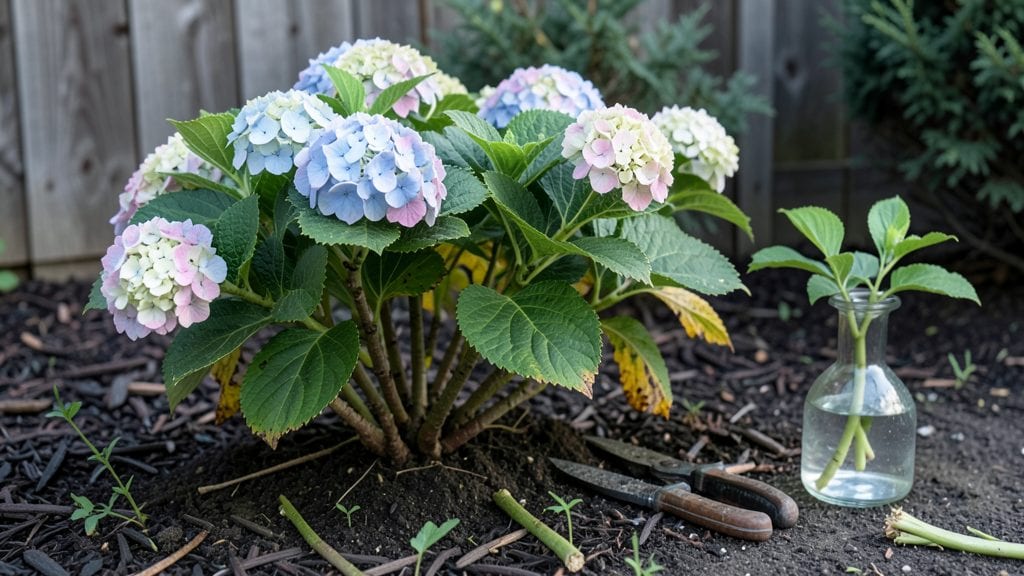
Cutting hydrangea flowers at their peak transforms your garden into a year-round bouquet factory. ✨ The secret lies in timing—harvest when blooms are fully open but still firm, usually mid-morning when dew has dried but heat hasn't stressed the stems.
I learned this the hard way after cutting wilted stems that lasted just 24 hours in a vase.
You’ll need sharp pruners (clean blades prevent disease), a bucket of water to keep stems fresh, and a cool, shady spot to store them while arranging. Most hydrangeas regrow best when you cut just above a leaf node, leaving at least 3-4 inches of stem—this encourages bushier growth next season.
My late-summer cuttings still produce fresh blooms by early fall.
What you’ll end up with is arrangements that last 2-3 weeks in water, their vibrant colors deepening as they dry naturally. The key is immediate post-cutting care: recut stems underwater at an angle, remove lower leaves to prevent bacterial growth, and change the water every 2-3 days.
The first bouquet you make will be the most stunning—promise.
This method works for both garden hydrangeas and potted varieties, though mophead types handle cutting better than lacecaps. After harvest, feed your plants with balanced fertilizer to reward them for their generosity. Now grab those pruners—your floral masterpiece starts here.
📚 In This Guide
- What you need
- Instructions
- Tips and common mistakes
- Wrapping up and next steps
What you need
- ● Sharp pruning shears or floral scissors: Clean, sterilized blades (alcohol wipe works!) to prevent disease.
- ● Size: 4-6 inches (for precision cuts).
- ● Bucket or vase: Large enough to hold 3-5 stems per 1 quart of water.
- ● Pre-cleaned with lukewarm water and a splash of bleach (1 tsp per gallon) to kill bacteria.
- ● Freshly cut hydrangea stems: Choose mature stems (at least 1/4-inch thick) with 3-5 buds per stem.
- ● Avoid stems with yellowing leaves or soft spots.
- ● Water: Room-temperature or slightly cool (never cold!).
- ● Use filtered or distilled water for fewer impurities.
- ○ Flower food (optional but highly recommended): Follow package instructions for dosage (typically 1 packet per quart of water).
- ● Hydrangea preservative: Specialized solutions like Chrysal Clear extend vase life by 3-5 days.
- ● Sharpie or marker: Label stems by color/type if mixing varieties.
- ● Newspaper or towels: For drying stems and cleaning up sap.
- ● Floral foam or chicken wire: For arranging stems in a bouquet before final display.
Step-by-Step guide for cutting hydrangea flowers
Transform your hydrangea blooms into stunning, long-lasting arrangements with this precise cutting method.
🌿 Step 1: Choose the Right Time and Flowers
Harvest hydrangeas in the early morning when stems are fully hydrated and blooms are at peak freshness. Look for fully open flower heads—these will last longest in arrangements. Avoid cutting flowers that are already wilting or showing signs of damage, as they'll shorten the vase life of your bouquet.
I always check the stems for woody sections—these are a dead giveaway that the flower is past its prime. Cutting hydrangeas too early (when buds are still closed) results in a bouquet that opens unevenly. Wait until at least 50% of the blooms on the stem are fully open before harvesting.
✂️ Step 2: Cut Stems at the Correct Angle and Length
Use sharp bypass pruners or a clean knife to make a 45-degree angle cut about 6 inches below the flower head. This angled cut increases water uptake, which is critical for long-lasting blooms. If you cut straight across, stems won’t draw up water efficiently, causing flowers to wilt faster.
Cut stems under running water to prevent air bubbles from blocking the xylem—these bubbles would otherwise starve the flowers of hydration. I like to work near the kitchen sink for this step, as it keeps everything clean and minimizes mess. For large arrangements, cut stems into 12-18 inch lengths to maintain structural balance.
💧 Step 3: Prepare Stems for Maximum Hydration
Immediately place cut stems in a bucket of lukewarm water (around 70°F) for 30 minutes before arranging. This rehydration step revives any temporary wilting and ensures stems drink up water before they’re placed in a vase. I skip this step only when cutting in the very early morning when stems are already fully hydrated.
While stems soak, remove any lower leaves that would sit below the waterline in your vase. These leaves rot in water and promote bacterial growth, which shortens bloom life. Use your fingers or a small knife to strip leaves cleanly—don’t tear them, as this damages stems.
☀️ Step 4: Create the Perfect Vase Setup
Fill your vase with room-temperature water and add 1 teaspoon of floral preservative (or a mix of 1 tablespoon white vinegar + 1 tablespoon sugar) to extend vase life. Hydrangeas are heavy drinkers, so choose a vase with a wide mouth to accommodate their thick stems without crowding.
Arrange stems in odd-numbered groups (3, 5, or 7) for natural balance. Place the largest stems first, then fill in with smaller ones, working from the center outward. Once arranged, trim ½ inch off each stem under water to open up the cut ends for maximum absorption. Change water every 2-3 days and recut stems to keep them fresh.
⏰ Step 5: Maintain Blooms for Long-Lasting Beauty
Keep hydrangea arrangements in indirect light—direct sunlight causes petals to fade and dry out faster. I place mine on a countertop near a window but not in the path of afternoon rays. Mist blooms lightly with water once daily to maintain humidity, especially in dry indoor environments.
Watch for yellowing leaves or drooping blooms—these are signs the stems need fresh water. If you notice mold growing in the vase water, dump it immediately and recut stems to prevent bacterial spread. With proper care, your hydrangea bouquet will stay vibrant for 10-14 days, far longer than most cut flowers.
Tips & tricks for perfect hydrangea arrangements
These pro techniques will help you extend your hydrangea bouquet's life and create arrangements that look professionally done.
The Timing Secret: Harvesting at the perfect moment is everything. I've learned that the 50% open bloom rule in Step 1 is non-negotiable—any less and your arrangement will open unevenly, creating a messy look. For the longest vase life, aim for 70-80% open blooms if you're cutting for a special occasion. The extra 20-30% opening happens after cutting, giving you that perfect balance of freshness and fullness.
Cutting Technique That Changed Everything: That 45-degree angle cut in Step 2 isn't just about water uptake—it's about creating a larger surface area for absorption. I've found that using a serrated knife instead of pruners gives me even more precision for this angle. For extra-large stems, make two parallel cuts about ¼ inch apart, then break the stem along the cuts—this creates a natural, feathered edge that drinks up water like nothing else. The 6-inch rule works perfectly for standard vases, but for dramatic arrangements, I'll cut stems to 18-24 inches to create height and drama.
Hydration Hack: The 30-minute lukewarm soak in Step 3 is where the magic happens for hydration. I've discovered that adding 1 teaspoon of lemon juice to this water prevents bacterial growth and keeps stems crisp. For truly wilted stems, extend the soak to 1 hour—just monitor the water temperature to keep it around 70°F. Pro tip: Use a clear bucket so you can watch the air bubbles rise and know your stems are actively drinking.
Vase Life Extension: That ½ inch recut in Step 4 isn't just about freshness—it's about creating a clean break that maximizes water uptake. I've had bouquets last 21 days using this technique combined with daily water changes. For maximum impact, add 1 tablespoon of sugar + 1 tablespoon white vinegar to the vase water—this provides immediate energy for the flowers while the vinegar prevents bacterial growth. Change this solution every 2 days for best results.
Pro Tips for Cutting Hydrangea Flowers
- These pro techniques will help you extend your hydrangea bouquet's life and create arrangements that look professionally done.
- The Timing Secret: Harvesting at the perfect moment is everything.
- Cutting Technique That Changed Everything: That 45-degree angle cut in Step 2 isn't just about water uptake—it's about creating a larger surface area for absorption.
Frequently asked questions
Got questions about cutting hydrangea flowers? You’re not alone! Here are answers to the most common queries to help you master the art of harvesting and preserving those gorgeous blooms.
When is the best time to cut hydrangea flowers?
The ideal time is in the early morning when blooms are fully open but still hydrated. For mophead or lacecap hydrangeas, aim for late spring to early summer. Avoid cutting after a heavy rain—the stems may be too waterlogged. Pro tip: If you’re cutting for arrangements, pick flowers that are just starting to bloom for longer vase life!
How do I cut hydrangea stems properly to extend their life?
Use sharp, clean pruners or shears to make a 45-degree angle cut about 6 inches below the bloom. Remove any leaves that will sit below the waterline in your vase. Trim the stems under running water to prevent air bubbles from blocking nutrient uptake. Bonus tip: Add a flower food packet to your vase to keep them fresh for 7–10 days!
Can I cut hydrangeas from my garden and still have them bloom next year?
Yes! Hydrangeas are hardy, but timing matters. For old-wood bloomers (like Hydrangea macrophylla), cut back stems after they’ve finished blooming in late summer or early fall. For new-wood bloomers (like panicle or oakleaf hydrangeas), prune in late winter or early spring before buds swell. Avoid heavy pruning in fall—it can stress the plant.
Why are my cut hydrangeas wilting so quickly?
Wilting often happens due to air bubbles in the stem, bacterial growth, or lack of hydration. To fix it:
For maximum longevity, follow these steps:
Quick fix: Trim stems again and place them in cool water immediately!
What’s the best way to preserve cut hydrangeas for longer?
Pro move: Spritz blooms lightly with water daily to keep them hydrated!
Wrapping up and next steps
Cutting hydrangea flowers the right way ensures stunning, long-lasting blooms that brighten up any space! 🌸 Whether you’re a seasoned gardener or just starting out, these simple steps—like choosing the right time, using clean tools, and proper conditioning—make all the difference.
With a little care, your hydrangeas will thrive, and you’ll enjoy their beauty for weeks.
Ready to put your new skills to the test? Grab your shears, pick a sunny spot, and start cutting! Your future bouquets (or garden centerpieces) will thank you.