
Flowers
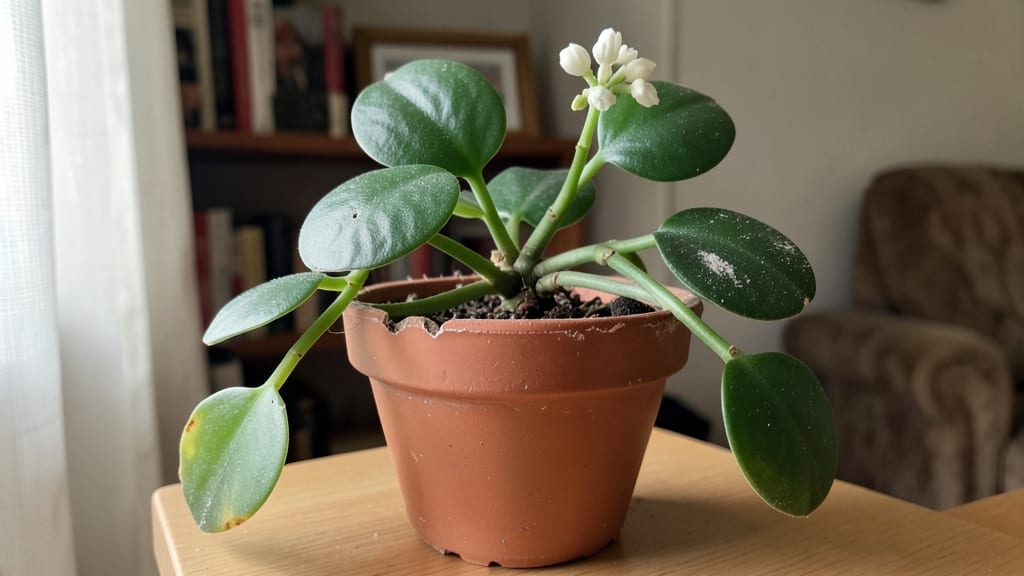
Bringing common house flowers indoors isn't just about filling empty pots—it's about transforming your space with vibrant blooms that actually stay alive. I’ve killed more peace lilies than I’d like to admit, but these 15 resilient picks forgive mistakes and reward patience with lush foliage and cheerful flowers.
The secret isn’t fancy tools or rare varieties—it’s matching plants to your light, humidity, and watering habits.
Start with three foolproof varieties: spider plants (thrive in neglect), African violets (bloom year-round with minimal care), and snapdragons (bring color without fuss). You’ll need basic supplies—a few pots, well-draining soil, and a spray bottle for humidity—but the payoff is immediate: fragrant blooms that last weeks, not days.
Even my black thumb can’t kill these.
By the end of summer, you’ll have a windowsill garden that feels like a tropical escape—without the travel. These plants clean the air, boost your mood, and adapt to everything from dim offices to sunlit kitchens. Ready to turn brown thumbs green? Let’s pick your perfect starter plants.
We’ll cover light needs (yes, even low-light spots work), watering schedules that won’t drown your plants, and propagation tricks to multiply your collection for free. No greenhouses or PhDs required—just a willingness to try.
📚 In This Guide
- What you need
- Instructions
- Tips and common mistakes
- Wrapping up and next steps
What you need
- ● Flowering plants: Choose from low-maintenance varieties like peace lilies, snake plants, spider plants, or African violets (1-3 per container, depending on size).
- ● Well-draining potting soil: 1-2 bags (10-15 lbs each) of a light, airy mix (e.g., 50% peat moss, 30% perlite, 20% vermiculite).
- ● Containers: 1-2 pots with drainage holes (size depends on plant: 6-8" for small blooms, 10-12" for larger varieties).
- ○ Optional: Decorative cache pots (1 per plant) for a polished look.
- ● Watering can or spray bottle: 1 (with a rose nozzle for gentle watering).
- ● Fertilizer: Balanced liquid fertilizer (e.g., 10-10-10) or slow-release granules (1 tbsp per plant).
- ○ Optional: Organic options like fish emulsion or compost tea.
- ● Basic tools: Trowel or small shovel (1).
- ● Pruning shears (1, for trimming dead leaves/stems).
- ● Gloves (1 pair, to protect hands from soil/fertilizer).
- ● Lighting: Bright, indirect sunlight (e.g., near an east or north-facing window).
- ○ Optional: Grow lights (1-2 LED bulbs, 12-14 hours/day for low-light plants).
- ● Prerequisites: Patience! Most houseplants grow slowly—consistency is key.
- ● Basic knowledge of your plant’s watering needs (e.g., snake plants = drought-tolerant; peace lilies = moist soil).
- ● 🌡️ Temperature: Keep plants in a stable 65-75°F (18-24°C) range—avoid drafts or heaters!
- ● ✨ Humidity: Group plants together or use a pebble tray with water for tropical varieties.
- ● 🎯 Rotation: Turn pots quarter-turn weekly to ensure even light exposure.
Step-by-step instructions for growing low-maintenance house flowers
Here's how to nurture four easygoing blooms that brighten any home with minimal fuss.
Select and Prepare Containers for Each Flower Type
Start by choosing containers with drainage holes—terracotta pots work best for spider plants and African violets, while hanging baskets suit trailing varieties like pothos. I use 6-inch pots for violets and 8-inch pots for larger plants like peace lilies, ensuring each has 1-2 inches of extra space at the bottom for drainage material like pebbles or broken pottery. This prevents root rot, which is the #1 killer of houseplants.
Fill each container with high-quality potting mix (never garden soil—it compacts and suffocates roots). For succulents like jade plants, blend the mix with 20% perlite to improve aeration. Tap the pot gently after filling to eliminate air pockets while keeping the soil loose. The right container setup ensures your flowers thrive from day one.
Plant Each Flower at the Correct Depth and Spacing
Spider plants and pothos prefer slightly buried roots, so plant them ½ inch deeper than their current soil line. For African violets and peace lilies, keep the crown (where leaves meet roots) just above soil level—burying it invites rot. Space multiple plants 3-4 inches apart in larger containers to allow airflow, which prevents fungal diseases.
Gently press the soil around each plant to remove air gaps without compacting it too tightly. Water lightly immediately after planting to help the soil settle and encourage root contact. I always check the container weight after watering—it should feel noticeably heavier but not soggy. This step sets the foundation for healthy growth.
Position Flowers for Optimal Light Conditions
Spider plants and pothos thrive in bright, indirect light, while African violets need east or west-facing windows for gentle morning or afternoon sun. Peace lilies tolerate low light but bloom best with moderate indirect light. Rotate containers quarter-turn weekly to ensure even growth—you’ll notice leaves leaning toward the light if you skip this.
Watch for signs of stress: yellowing leaves mean too much light, while stretched, pale stems signal insufficient light. Adjust positions gradually over 3-5 days to avoid shocking the plants. A simple trick is to place your hand near the leaves—if you can’t hold it there comfortably for 10 minutes, the light is too intense.
Establish a Consistent Watering Routine
Water spider plants and pothos when the top 1-2 inches of soil feel dry to the touch, typically every 7-10 days. African violets need bottom-watering—place the pot in a tray of water for 10-15 minutes, then drain completely. Peace lilies prefer slightly moist soil but hate soggy roots, so water every 10-14 days and let excess drain away.
Always use room-temperature water—cold water shocks roots, while tap water left sitting overnight reduces chlorine damage. I test moisture by sticking my finger 1 inch deep—if it’s dry, it’s time to water. Overwatering is the fastest way to kill houseplants, so when in doubt, wait a day longer.
Fertilize and Prune for Long-Term Health
Feed spider plants and pothos with a balanced liquid fertilizer (10-10-10) every 4-6 weeks during spring and summer. African violets love a high-phosphorus fertilizer (5-10-5) to encourage blooms, applied monthly during their growing season. Peace lilies benefit from diluted fertilizer (half-strength) every 6-8 weeks. Always follow package instructions—too much fertilizer burns roots.
Prune leggy stems by cutting just above a leaf node with clean scissors, and propagate cuttings in water for new plants. Remove yellow or damaged leaves immediately—they drain energy from healthy growth. I prune mine in early spring to encourage bushier, fuller plants. This step keeps your flowers looking vibrant and encourages continuous blooming.
Tips & tricks for perfectly thriving house flowers
These simple yet game-changing strategies will help you avoid common pitfalls and keep your houseplants flourishing with minimal effort.
Container Selection Matters: The drainage space at the bottom of your containers isn't just for show—those 1-2 inches of pebbles or broken pottery create a crucial air gap that prevents root rot. I've learned the hard way that skipping this step leads to mushy roots and wilting plants within weeks. For spider plants and pothos, terracotta pots actually help wick away excess moisture, while hanging baskets work beautifully for trailing varieties like pothos but need slightly more frequent watering checks.
Planting Depth and Crown Care: That ½ inch deeper planting for spider plants and pothos might seem counterintuitive, but it actually encourages stronger root development. The real critical detail is keeping African violet and peace lily crowns just above soil level—burying them even slightly can cause rot. I've had to repot entire plants because I missed this detail in Step 2, so pay close attention when you're tucking those roots into place.
Light Adjustment Strategy: The 3-5 day gradual adjustment when moving plants to new light conditions is non-negotiable. I've seen plants go from vibrant to crispy in 24 hours when moved suddenly from low to bright light. That 10-minute hand test is your best friend—if you can't comfortably keep your hand near the leaves, the light is too intense. For peace lilies in low light, supplement with a simple grow light for 10 minutes daily to encourage blooming.
Watering Technique Upgrade: The 10-15 minute bottom-watering for African violets might seem like overkill, but it ensures even moisture distribution without wetting the leaves (which can cause fungal issues). For all plants, that 1 inch deep finger test is more reliable than surface checks—top soil can stay damp while roots remain dry. I've found that watering in the morning gives plants time to absorb moisture before evening humidity sets in.
Pro Tips for Common House Flowers
- These simple yet game-changing strategies will help you avoid common pitfalls and keep your houseplants flourishing with minimal effort.
- Container Selection Matters: The drainage space at the bottom of your containers isn't just for show—those 1-2 inches of pebbles or broken pottery create a crucial air gap that prevents root rot.
- Planting Depth and Crown Care: That ½ inch deeper planting for spider plants and pothos might seem counterintuitive, but it actually encourages stronger root development.
Frequently asked questions
Got questions about keeping your common house flowers happy and blooming?
You’re not alone! Here are answers to the most frequently asked questions to help you troubleshoot, pick the right plants, and keep your indoor garden thriving.
Which common house flowers are the easiest for beginners?
Start with snake plants, pothos, or spider plants—they’re nearly indestructible! These low-light lovers forgive occasional neglect, making them perfect for first-time plant parents. Peace lilies and ZZ plants are also great choices for their resilience and air-purifying benefits.
How often should I water my indoor flowers?
Most common house flowers prefer moderate moisture—water when the top inch of soil feels dry. Overwatering is the #1 killer, so always check soil moisture before adding more. Succulents (like jade plants) need far less water, while tropicals (like ferns) stay damp. Pro tip: Use a moisture meter for accuracy!
Can I keep common house flowers in low-light rooms?
Snake plants, pothos, and peace lilies thrive in low light, while succulents and orchids need bright, indirect light. If your space is dim, rotate plants occasionally for even growth. Yellowing leaves? It might be a light (or water) issue—adjust based on your plant’s needs.
What should I do if my house flower gets pests?
Start with neem oil or insecticidal soap for mild infestations (like spider mites or aphids). Wipe leaves with a damp cloth to remove pests physically. Isolate affected plants to prevent spreading. For severe cases, try hydrogen peroxide spray (1 part peroxide to 4 parts water)—safe for most plants!
Are there pet-safe alternatives to toxic house flowers?
Yes! Opt for spider plants, Boston ferns, or African violets—they’re non-toxic to pets. Avoid lilies, aloe, or philodendrons, which can harm cats/dogs. Always research before bringing a new plant home. Bonus: Cat grass is a safe, fun alternative for curious pets!
How long does it take for house flowers to bloom?
Timing varies! Peace lilies may bloom in 6–12 months, while ZZ plants rarely flower indoors. African violets can bloom in 3–6 months with proper care. Patience is key—focus on healthy leaves first, and blooms will follow!
Wrapping up and next steps
From peace lilies to snake plants, these common house flowers prove that indoor gardening doesn’t have to be complicated—just rewarding! 🌱 With the right light, soil, and a little love, you can enjoy lush blooms year-round.
Whether you’re a beginner or a seasoned plant parent, these low-maintenance picks are perfect for brightening up any space.
Ready to take the next step? Start with one or two easy-care flowers, follow the care tips you’ve learned, and watch your green thumb grow! 🌟 Pro tip: Share your progress with fellow plant lovers—community support makes the journey even sweeter.