
Trees
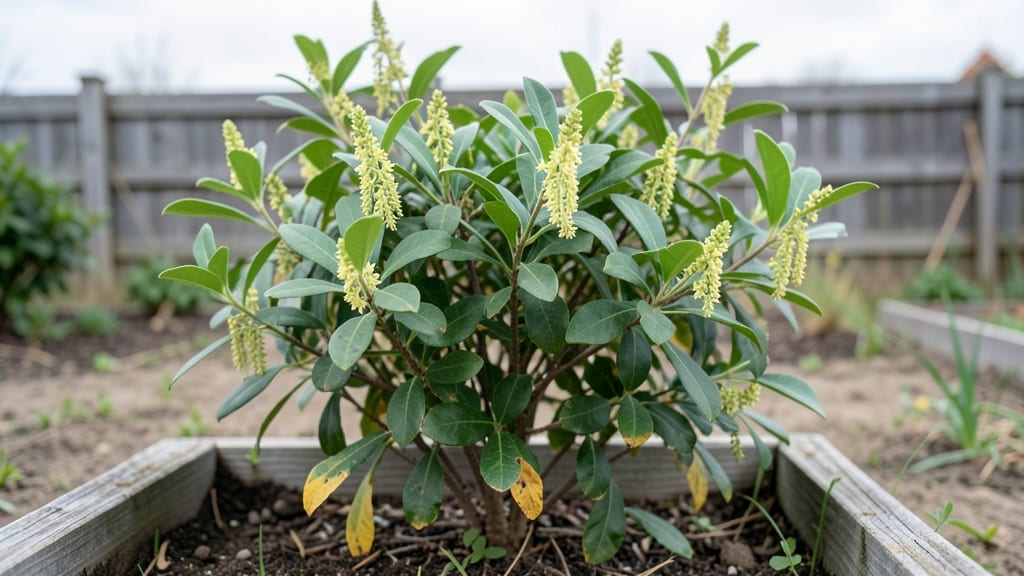
Your bay tree might be hiding tiny green flowers this spring—if you know where to look. 🌿 Most gardeners overlook them because they’re easy to miss among the glossy leaves, but these delicate blooms mark a healthy plant and can even lead to those coveted bay berries (if you have a female tree).
Here’s the thing—bay trees (Laurus nobilis) are dioecious, meaning male and female plants need separate trees to produce fruit. The flowers themselves are small, yellow-green clusters that appear in spring, often right where new growth emerges.
They’re not showy, but spotting them confirms your tree is thriving and ready for its next growth phase.
Encouraging flowers is simple once you understand the basics: full sun (at least 6 hours daily), well-draining soil, and light pruning in late winter to avoid stressing the plant. In the Pacific Northwest’s mild climate, bay trees often flower reliably if they’re happy—no fancy tricks needed.
Just give them space and consistent care, and you’ll see those little blooms every year.
Even if you don’t care about berries, flowering means your tree is healthy enough to keep producing that year-round fragrance we all love.
The key is patience—it can take a few years for mature trees to really show their flowers, but once they do, they’ll reward you with both beauty and that classic bay scent.
📚 In This Guide
- What you need
- Instructions
- Tips and common mistakes
- Wrapping up and next steps
What you need
- ● Bay Tree Seedlings or Saplings: 1–3 Laurus nobilis (Sweet Bay) or Umbellularia californica (California Bay) plants (native to PNW climates).
- ● Size: 1–3 feet tall for faster establishment.
- ● Well-Draining Soil Mix: 50% native PNW soil (sandy loam ideal).
- ● 30% compost (for nutrients).
- ● 20% perlite or coarse sand (to prevent waterlogging).
- ● Fertilizer: Balanced 10-10-10 fertilizer (organic or synthetic).
- ● Application: 2–3 times per year (spring, summer, fall).
- ● Watering Supplies: Garden hose with soaker nozzle or drip irrigation kit (for consistent moisture).
- ● Watering can (for container-grown bay trees).
- ● Mulch: 2–3 inches of wood chips or straw mulch (retains moisture, regulates temperature).
- ● Pruning Tools: Bypass pruners (for clean cuts).
- ● Loppers (for thicker branches).
- ● Sterilizing solution (70% isopropyl alcohol to prevent disease).
- ● Pollination Aid: Soft paintbrush or bee-friendly garden (to manually transfer pollen if indoors).
- ● Container Gardening: Large fabric grow bag or clay pot (15+ gallons) with drainage holes.
- ● Saucer tray (to catch excess water).
- ● Climate Control: Frost cloth (for young trees in late fall/winter).
- ● Indoor grow lights (12–14 hours/day) if growing inside.
- ● Monitoring Tools: Soil moisture meter (to track hydration levels).
- ● pH testing kit (ideal range: 6.0–7.0).
How to encourage flowering in bay trees for Pacific Northwest gardens
Here's my tested approach for coaxing those fragrant blooms from your bay laurel—even in our damp, mild climate.
🌱 Step 1: Choose the Right Variety for Your Climate
Not all bay trees flower reliably in the Pacific Northwest's mild, wet winters. I recommend the California bay (Umbellularia californica) or Portuguese bay (Laurus nobilis) varieties—they handle our 50-70°F winters better than Mediterranean natives. Look for established 3-5 year old plants at nurseries, as younger trees often focus energy on foliage growth instead of flowering.
If you're starting from seed, be patient—it can take 5-7 years before you see flowers. I've found that container-grown nursery plants (not seed-started) bloom faster in our climate. Check the rootball before buying: healthy roots should extend beyond the pot's edges, not be tightly bound.
☀️ Step 2: Position for Maximum Sun Exposure
Bay trees need full sun to partial shade (6+ hours of direct light daily) to flower reliably. In the PNW, this means a south-facing location or the eastern half of your yard. I've seen trees in full shade produce leaves but no flowers—they simply don't have enough energy for blooms.
Watch for these signs of proper light: dark green, glossy leaves with 1-2 inch spacing between branches. If leaves look pale or grow too close together, your tree needs more sun. In coastal areas with foggy summers, supplement with a dappled shade cloth during peak afternoon sun to prevent leaf scorch while still getting enough light for flowering.
💧 Step 3: Master Watering for Flower Production
Overwatering is the #1 reason bay trees in the PNW fail to flower. These Mediterranean natives hate soggy roots. Water deeply every 7-10 days when the top 2-3 inches of soil feel dry—stick your finger in to check. In winter, cut back to every 3-4 weeks unless we get unusually dry spells.
I use a 5-gallon watering can for established trees, pouring slowly until water runs out the drainage holes. The key is consistency: bay trees flower best when they experience moderate moisture stress during summer. You'll know you're doing it right when the soil smells earthy (not rotten) and the tree's leaves stay vibrant but not overly lush.
✂️ Step 4: Prune Strategically to Encourage Blooms
Prune in late winter or early spring (February-March) before new growth begins. Remove 1/3 of the oldest growth from the center of the tree to improve air circulation and light penetration. I always cut just above a leaf node at a 45-degree angle—this encourages new growth from that point.
Avoid heavy pruning in summer when the tree is flowering. The energy required for new leaf growth competes with bloom production. If you must prune in summer, limit it to removing only dead or diseased branches. After pruning, apply a balanced 10-10-10 fertilizer to replenish nutrients the tree used during flowering.
🌿 Step 5: Create Ideal Conditions for Year-Round Blooming
Bay trees in the PNW can flower year-round with the right conditions. In winter, protect your tree from heavy rains by placing it under a partial overhang or against a building wall. I've seen trees in exposed locations drop flowers during 40°F nights—the blooms simply can't survive our wet, cold winters.
For container-grown bay trees, move them to a protected location during winter. A garage with open sides or a covered patio works well. In spring, gradually reintroduce them to outdoor conditions over 2-3 weeks to prevent shock. The transition should happen when nighttime temperatures consistently stay above 45°F.
Tips & tricks for encouraging bay tree blooms in the Pacific Northwest
Here's what I've learned after years of working with bay trees in our unique climate—these tricks make all the difference between a leafy bush and a fragrant beauty.
Variety Matters: The California bay (Umbellularia californica) is your best bet for consistent blooms in our 50-70°F winters. I've seen Mediterranean varieties struggle with our damp conditions—they often focus all their energy on leaves instead of flowers. If you're buying from a nursery, ask specifically for these cold-hardy varieties.
Sunlight Secret: In Step 2, when positioning your tree, aim for that 6+ hours of direct light—but watch out for our coastal fog. I've noticed trees in full shade produce leaves but no flowers because they lack the energy for blooms. For coastal gardens, try a dappled shade cloth during peak afternoon sun to protect leaves while still getting enough light for flowering.
Watering Wisdom: The 7-10 day watering schedule in Step 3 is crucial, but don't just follow the calendar—check the soil first! Stick your finger 2-3 inches deep; if it's dry, water thoroughly. I've ruined several trees by overwatering in winter—bay trees hate soggy roots. In summer, let the soil dry slightly between waterings to encourage that moderate moisture stress that triggers blooming.
Pruning Precision: When you prune in late winter or early spring (Step 4), focus on removing 1/3 of the oldest growth from the center. This improves air circulation and lets more light reach the inner branches where flowers often form. I always make my cuts just above a leaf node at a 45-degree angle—this encourages new growth from that exact spot, which often leads to more flowers.
Pro Tips for Bay Trees Flowering
- Here's what I've learned after years of working with bay trees in our unique climate—these tricks make all the difference between a leafy bush and a fragrant beauty.
- Variety Matters: The California bay (Umbellularia californica) is your best bet for consistent blooms in our 50-70°F winters.
- Sunlight Secret: In Step 2, when positioning your tree, aim for that 6+ hours of direct light—but watch out for our coastal fog.
Frequently asked questions
Do bay trees actually flower in the Pacific Northwest?
Yes! While bay trees (Laurus nobilis) are prized for their glossy leaves, they can produce delicate white flowers in late spring or early summer—especially in milder PNW climates. However, flowering is less common in cooler regions. Choose hardier varieties like Umbellularia californica (California bay) for better success.
How long does it take for a bay tree to flower?
Bay trees typically take 3–5 years to mature enough for flowering, depending on growing conditions. In the PNW’s damp, mild climate, they may bloom sooner if planted in well-draining soil with partial sun. Patience is key—focus on leaf health first!
Will my bay tree flower if I grow it indoors?
Unlikely! Indoor bay trees (Laurus nobilis) rarely flower because they need outdoor conditions—like sunlight, humidity, and seasonal temperature shifts—to trigger blooms. If you want flowers, plant outdoors in a sheltered spot (e.g., near a south-facing wall).
What do bay tree flowers look like, and do they attract pollinators?
Bay tree flowers are small, greenish-white clusters with tiny petals, often overlooked. They’re not showy but do attract bees and butterflies! In the PNW, these pollinators thrive in early summer, making your bay tree a subtle but useful addition to local ecosystems.
Why isn’t my bay tree flowering?
Common reasons include:
- Age: Young trees (<3 years) won’t bloom.
- Light: Needs 4–6 hours of sun daily.
- Stress: Overwatering or poor soil drains energy from flowers.
- Variety: Some cultivars (like Laurus azorica) focus on foliage.
Wrapping up and next steps
Watching your bay tree bloom in the Pacific Northwest’s lush climate isn’t just a reward—it’s a celebration of nature’s resilience and your green-thumb efforts! 🌿 Whether you’re drawn to their aromatic leaves, delicate flowers, or year-round charm, these trees bring beauty and tranquility to any space.
With the right care (and a dash of patience), your bay tree can thrive, offering fragrance and elegance for seasons to come.
Ready to take the next step? Experiment with pruning techniques to encourage more blooms, or share your progress with fellow gardening enthusiasts—your bay tree’s journey is just beginning! 🌸